Introduction
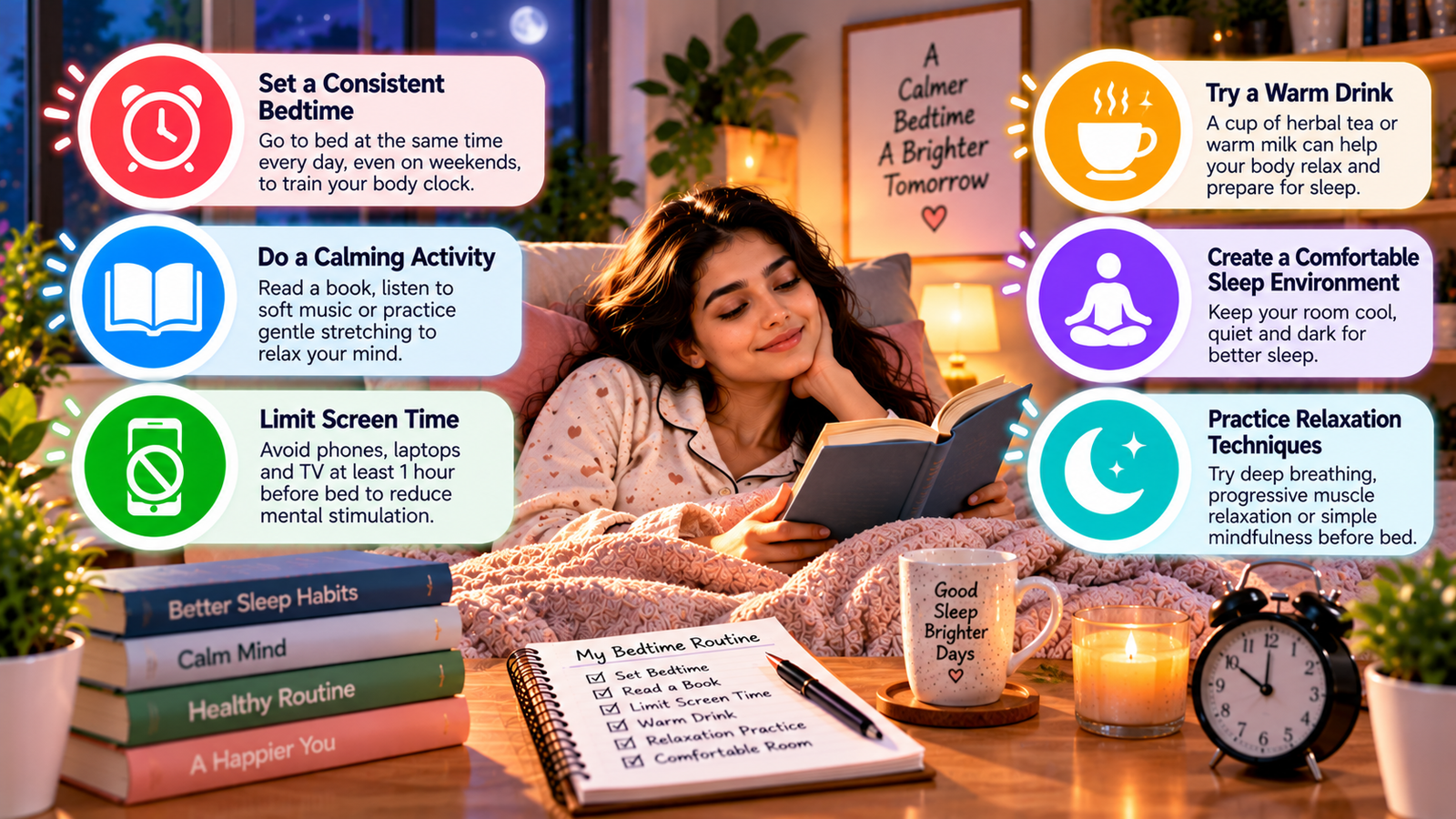
A relaxing bedtime routine is one of the simplest ways to prepare my mind and body for a good night’s sleep. After spending the day working, studying, managing household responsibilities, or using digital devices, I sometimes need time to slow down before going to bed. Without a proper routine, it can be easy to stay busy until late at night and struggle to fall asleep when I finally lie down.
In my opinion, a healthy bedtime routine should be simple, comfortable, and easy to maintain. I do not need expensive products or complicated techniques to make my evenings more peaceful. Small habits, such as dimming the lights, putting away my phone, reading a book, and preparing for the next day, can help create a smoother transition from daily activities to sleep.
A good bedtime routine also gives me an opportunity to reduce stress, organize my thoughts, and spend a little time taking care of myself. In this article, I will explain how to create a relaxing bedtime routine, which habits are worth trying, and how to make the routine work with a busy lifestyle.
1. Choose a Consistent Bedtime
The first step in creating a relaxing bedtime routine is choosing a regular bedtime. When I go to sleep at very different times every night, my daily schedule can become unpredictable. I may feel tired in the morning, struggle to concentrate during the day, or find it difficult to fall asleep at my preferred time.
To avoid this problem, I can choose a bedtime that allows me to get enough sleep before waking up the next morning. Most adults need approximately seven to nine hours of sleep each night, although individual needs can vary.
For example, if I need to wake up at 7:00 AM, I might aim to be asleep between 10:00 PM and midnight, depending on how much sleep I need. I should also allow time to relax before actually going to bed.
If my current bedtime is much later than my preferred schedule, I can adjust it gradually. Moving my bedtime earlier by 15 minutes every few days may feel more manageable than making a sudden change.
The goal is to establish a realistic schedule that supports enough rest and fits my everyday responsibilities.
2. Start Winding Down Before Bed
One common mistake is trying to fall asleep immediately after finishing demanding activities. If I spend the entire evening working, answering messages, or handling stressful responsibilities, my mind may remain active when I get into bed.
I can make bedtime easier by setting aside the final 30 to 60 minutes of the evening for relaxation. During this period, I can stop unnecessary work, reduce stimulating activities, and focus on things that help me feel comfortable.
For example, I might finish preparing for tomorrow, take a warm shower, read a few pages of a book, and then spend a few minutes practicing slow breathing.
I do not need to complete every activity each night. The important thing is to create a clear transition between my busy day and my sleeping time.
Over time, repeating a familiar sequence of calming activities can help make the bedtime process feel more natural.
3. Put Away Your Phone Before Bed
Smartphones can easily become one of the biggest distractions in an evening routine. I may open my phone to check one message and end up spending another hour watching videos, reading comments, or scrolling through social media.
This habit can delay bedtime and expose me to bright light and stimulating content when I should be preparing to relax.
A practical solution is to reduce screen use during the last 30 to 60 minutes before sleeping. If this feels difficult, I can begin by putting my phone away for just 10 minutes and gradually increase the time.
I can also turn off unnecessary notifications, activate a focus mode, and avoid checking work messages late at night.
If I use my phone as an alarm, placing it away from my bed may reduce the temptation to continue using it after getting under the covers.
Instead of scrolling through a screen, I can choose a relaxing alternative, such as reading a printed book, listening to quiet music, or writing a few thoughts in a notebook.
4. Create a Comfortable Sleeping Environment
My bedroom plays an important role in my bedtime routine. A room that feels comfortable and peaceful can make it easier to settle down at the end of the day.
I can start by keeping the bedroom as dark, quiet, and comfortably cool as possible. Thick curtains or an eye mask may help reduce unwanted light, while earplugs may help if outside noise is disturbing my sleep.
Comfortable bedding is also important. I should choose pillows, blankets, and a mattress that suit my needs and preferences.
Keeping the bedroom reasonably tidy can make the environment feel less distracting. I can move work materials, unnecessary devices, and other items away from the sleeping area.
I do not need to redesign the entire room. Even small improvements can make my bedroom feel more suitable for rest.
If the weather is warm, I can improve ventilation or use a fan when appropriate. The main objective is to create an environment where I feel comfortable enough to relax without unnecessary distractions.
5. Take a Warm Shower Before Bed
A warm shower can be a simple and enjoyable part of a relaxing bedtime routine. After a long day, it can help me feel clean, comfortable, and ready to rest.
Some evidence suggests that taking a warm shower or bath before bedtime may help certain people fall asleep more easily, particularly when it is done roughly one to two hours before sleeping. However, individual experiences can differ.
I can choose a shower temperature that feels pleasant rather than excessively hot. There is no need to spend a long time in the bathroom or turn this activity into a complicated process.
After showering, I can change into comfortable sleepwear, dim the lights, and continue with another relaxing activity.
For people who prefer not to shower at night, washing their face, brushing their teeth, and changing into comfortable clothes can provide a similar sense of routine.
The important thing is to choose a personal care habit that feels relaxing and easy to repeat.
6. Read a Book or Listen to Calm Music
Reading is one of the easiest activities I can include in my bedtime routine. A printed book, a light story, or an enjoyable magazine can give my attention a break from daily responsibilities.
I can choose something pleasant rather than reading material that makes me feel worried or mentally overstimulated. The goal is to enjoy a quiet activity without feeling pressure to finish a chapter or learn something new.
Listening to calm music is another option. Soft instrumental music, gentle nature sounds, or other relaxing audio may help create a peaceful atmosphere.
I should keep the volume comfortable and choose audio that does not distract me. If I use a phone to play music, I can set it up before bedtime so I do not need to keep looking at the screen.
Not every activity works for everyone. I can try reading, music, or another quiet hobby and continue with the option that helps me unwind most effectively.
7. Practice Slow Breathing and Mindfulness
After a busy day, my mind may continue focusing on unfinished tasks, upcoming meetings, family responsibilities, or personal concerns. These thoughts can make it difficult to relax even when I feel physically tired.
Slow breathing and mindfulness are simple techniques I can try to make the transition to sleep more comfortable.
For slow breathing, I can sit or lie down in a comfortable position, relax my shoulders, and breathe gently at a natural pace. I do not need to hold my breath or force myself to follow a strict breathing pattern.
Mindfulness involves paying attention to the present moment. I can notice my breathing, the feeling of the pillow, or the contact between my body and the bed. When my thoughts wander, I can gently return my attention to what I am experiencing.
Even five minutes of practice may be a useful starting point.
These techniques do not guarantee immediate sleep, and I should not treat them as another task that must be completed perfectly. Their purpose is to create a calmer environment and reduce the pressure I sometimes place on myself at bedtime.
8. Write Down Your Thoughts and Tomorrow’s Tasks
Sometimes, I find it difficult to relax because I keep thinking about everything I need to do the next day. Writing down these thoughts can help me organize them instead of repeatedly reviewing them in my mind.
I can keep a notebook beside my desk and spend five to ten minutes writing down important tasks before beginning my final bedtime activities.
For example, I might list three priorities for tomorrow, note an appointment, or write down a small problem I need to address later.
I can also write a few positive moments from the day. This simple reflection may help me finish the evening by paying attention to something other than unfinished responsibilities.
However, I should avoid turning this habit into a long planning session. If I start solving every problem at bedtime, I may become more alert instead of relaxed.
Once I have written down the important details, I can close the notebook and return to a calming activity.
9. Avoid Caffeine Late in the Day
Caffeine can increase alertness and interfere with sleep, particularly when I consume it late in the afternoon or evening. It is commonly found in coffee, tea, energy drinks, and some soft drinks.
If I regularly struggle to fall asleep, I can review my caffeine habits and consider whether they are affecting my bedtime routine.
A practical starting point is to avoid caffeine for at least six to eight hours before bedtime. People who are especially sensitive to caffeine may need to stop earlier.
For example, if I plan to sleep at 10:30 PM, I can experiment with avoiding caffeinated drinks after the early afternoon.
I can replace late evening coffee or strong tea with water or a caffeine free drink that I enjoy.
I should also remember that changing caffeine habits may take some adjustment, especially if I consume several caffeinated beverages each day. Gradual changes may be more comfortable than stopping suddenly.
10. Avoid Heavy Meals Close to Bedtime
Eating a large meal immediately before bed may leave me feeling uncomfortable and can contribute to sleep disruption for some people. On the other hand, going to bed feeling very hungry can also make it difficult to settle down.
I can try to eat dinner a few hours before my usual bedtime whenever my schedule allows. This gives me time to digest my food and relax before sleeping.
A balanced dinner can include vegetables, whole grains, and a protein source such as lentils, beans, eggs, fish, or chicken.
If I feel hungry later in the evening, a small snack may be helpful. I can choose something simple that suits my preferences, such as a banana, plain yogurt, or a small serving of nuts.
I should avoid making strict food rules that create unnecessary stress. The aim is to develop a comfortable evening eating pattern that supports my overall well being.
11. Include Gentle Stretching or Relaxation
Gentle stretching can be a useful addition to my bedtime routine, especially if I spend long hours sitting at a desk or working on a computer.
I can perform a few comfortable movements that help me release physical tension. These might include gentle shoulder rolls, slow neck movements within a comfortable range, or easy stretches for my back and legs.
I should avoid movements that cause pain or require intense effort. The purpose is relaxation, not completing a demanding workout.
If stretching does not appeal to me, I can choose another calm activity, such as sitting quietly, listening to music, or practicing a brief body scan.
Vigorous exercise immediately before bed may leave some people feeling more alert, so I can schedule intense workouts earlier when possible. Gentle evening movement may still be suitable if it helps me feel comfortable.
12. Keep Your Sleep Schedule Consistent
A relaxing bedtime routine works best when it supports a regular sleep schedule. Going to bed and waking up at approximately the same time every day can help regulate the body’s internal clock.
I can begin by choosing a wake up time that suits my work, study, or family responsibilities. Then I can plan my bedtime around the amount of sleep I need.
Most adults need approximately seven to nine hours of sleep each night. My personal requirements may differ, so I should pay attention to whether I feel rested and function well during the day.
Morning daylight can also support a regular sleep and wake cycle. Opening the curtains or spending some time outside after waking may help reinforce my daily rhythm.
If I have been following an irregular schedule, I can make gradual adjustments rather than expecting my body to adapt immediately.
Consistency is more important than achieving a perfect routine every single night.
13. Avoid Using Alcohol as a Sleep Aid
Alcohol may make some people feel sleepy initially, but it can disrupt sleep later in the night. As a result, feeling drowsy after drinking does not necessarily mean that sleep will be restful.
For this reason, alcohol should not be used as a way to create a relaxing bedtime routine.
Nicotine can also increase alertness and interfere with sleep. Avoiding nicotine close to bedtime may be helpful for people who use these products.
I can build a healthier routine around calming activities, a comfortable bedroom, and a regular sleep schedule instead of relying on substances to feel sleepy.
If I find it difficult to stop using nicotine or regularly depend on alcohol to sleep, I can seek advice from a qualified healthcare professional.
14. Make Your Bedtime Routine Simple
One of the biggest mistakes I can make is creating a bedtime routine that is too complicated to maintain. If my routine includes too many activities, I may begin to see it as another responsibility instead of a relaxing part of the day.
I can avoid this problem by starting with three simple habits.
For example, I might put my phone away 30 minutes before bed, prepare my belongings for tomorrow, and read for ten minutes. Once these activities become familiar, I can add another habit if I find it useful.
My routine should also be flexible enough to accommodate busy evenings, travel, and family responsibilities. Missing one activity does not mean the entire routine has failed.
The goal is to create a pattern that supports relaxation without adding pressure.
Example of a Relaxing Bedtime Routine
Here is a simple example of how I can organize the final hour before going to bed.
| Time | Activity |
|---|---|
| 9:00 PM | Finish unnecessary work and household tasks |
| 9:10 PM | Prepare clothes and important items for tomorrow |
| 9:20 PM | Take a warm shower and complete personal care |
| 9:35 PM | Put away my phone and dim the lights |
| 9:40 PM | Read a book or listen to calm music |
| 9:55 PM | Practice slow breathing or gentle stretching |
| 10:10 PM | Go to bed when sleepy |
These times are only an example. I can adjust them to suit my preferred bedtime and daily responsibilities. What matters is creating a calm sequence of activities that I can follow consistently.
What to Do When You Cannot Fall Asleep
Even with a relaxing routine, there may be nights when I cannot fall asleep quickly. This does not automatically mean that my routine is ineffective.
Instead of repeatedly checking the clock or worrying about how little sleep remains, I can keep the environment quiet and focus on relaxing.
If I remain awake and feel frustrated, I can get out of bed and do something quiet in dim light, such as reading a few pages of a book. When I begin to feel sleepy, I can return to bed.
I should avoid turning bedtime into a test of whether I can fall asleep immediately. Sleep does not always happen on demand.
If sleep difficulties continue for weeks, affect my daily functioning, or occur alongside persistent daytime sleepiness, I should consider speaking with a healthcare professional. Ongoing sleep problems may need a more specific assessment and treatment.
Conclusion
Creating a relaxing bedtime routine is a practical way to make evenings calmer and support healthier sleep habits. By choosing a consistent bedtime, reducing screen time, creating a comfortable bedroom, and including activities such as reading or gentle breathing, I can gradually develop a routine that suits my lifestyle.
I can also prepare for the next day, limit late caffeine, avoid heavy meals close to bedtime, and keep my sleeping schedule relatively consistent.
In my opinion, the best bedtime routine is not the longest or most complicated one. It is the routine that helps me relax and that I can realistically follow most nights.
I can start with two or three simple habits and give myself time to adjust. With patience and consistency, these small changes can help me establish a more peaceful evening routine and create better conditions for restful sleep.