Staying motivated on a fitness journey can sometimes be more challenging than starting one. Many people begin exercising with excitement and set ambitious goals, but after a few weeks, their enthusiasm may decrease. Busy schedules, slow progress, tiredness, and unrealistic expectations can make it difficult to maintain a regular fitness routine.
In my opinion, the key to achieving long term fitness goals is not relying on motivation alone. It is about building healthy habits, choosing enjoyable activities, and learning how to continue even when progress feels slow. Fitness is not something that needs to be achieved in a few days. It is a gradual process that requires patience, consistency, and a positive attitude.
Whether my goal is to become stronger, improve stamina, maintain a healthy weight, or simply feel more active, I can make the journey easier by following practical strategies that fit my lifestyle.
In this article, I will share useful tips for staying motivated on a fitness journey, overcoming common challenges, and developing an exercise routine that I can maintain over time.
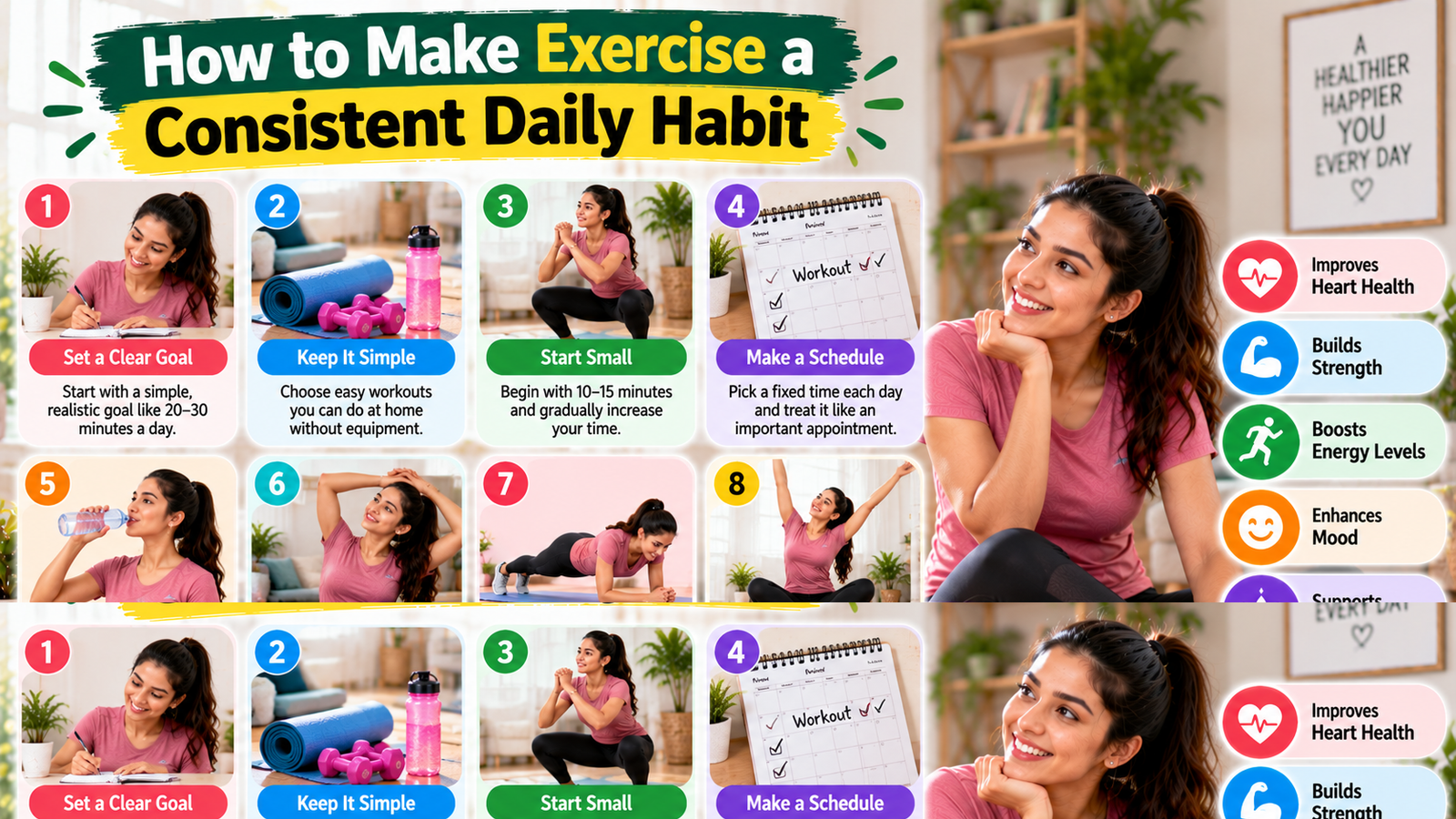
1. Set Clear and Realistic Fitness Goals
One of the best ways to stay motivated is to know what I want to achieve. Without a clear goal, exercise can sometimes feel like an activity without a specific purpose.
I can begin by identifying the main reason I want to improve my fitness. Perhaps I want to walk longer distances, build strength, improve flexibility, increase energy levels, or make physical activity a regular part of my day.
After identifying my goal, I should make it realistic and measurable. Instead of saying that I want to become fit as quickly as possible, I might decide to walk for fifteen minutes five days a week or complete two beginner strength workouts each week.
Smaller goals help me recognize progress and make the process feel manageable. Once I achieve an initial goal, I can gradually set new challenges based on my abilities and experience.
I should also remember that fitness goals do not need to focus entirely on appearance. Improvements in stamina, strength, balance, and everyday movement are valuable achievements too.
2. Start Small and Build Gradually
A common mistake beginners make is doing too much too soon. They may attempt long workouts, exercise every day at a high intensity, or follow a demanding routine that is difficult to maintain.
Although this approach may feel exciting initially, it can lead to excessive tiredness, frustration, or an increased risk of injury.
I believe starting small is a more sustainable approach. If I am new to exercise, I can begin with short walks, gentle stretching, or simple bodyweight movements. As my confidence and fitness improve, I can gradually increase the duration, frequency, or difficulty of my workouts.
For example, I might start with ten minutes of walking and increase the time when the activity feels comfortable. There is no need to rush the process.
Small steps also help me develop confidence. Each completed workout reminds me that I am capable of following my plan, making it easier to continue.
3. Choose Activities You Enjoy
Exercise is easier to maintain when it feels enjoyable rather than like a punishment. If I choose activities that I dislike, I may find excuses to avoid them.
Fortunately, there are many ways to stay active. I can try walking, cycling, swimming, dancing, hiking, gardening, home workouts, or recreational sports.
If I enjoy spending time outdoors, walking in a park may be an excellent option. If I prefer exercising at home, I can follow a simple workout routine in a comfortable space.
I can also change my activities occasionally to prevent boredom. For example, I might walk on some days, complete a strength workout on others, and spend another day cycling or stretching.
Trying different activities helps me discover what suits my personality, schedule, and fitness level.
The goal is to find movement that I genuinely enjoy. When exercise becomes something I look forward to, staying motivated often becomes easier.

4. Create a Consistent Exercise Schedule
A regular schedule can help turn exercise into a habit. If I only exercise when I feel motivated or have extra free time, my routine may become inconsistent.
I can make exercise a priority by choosing a suitable time of day. Some people prefer morning workouts, while others feel more comfortable exercising in the afternoon or evening.
The best time is the one that works with my daily responsibilities and energy levels.
For example, I might walk after breakfast, exercise during a lunch break, or complete a short home workout after finishing work. Connecting exercise to an existing activity can make it easier to remember.
I should also keep my schedule realistic. If I have a busy day, a short workout may be more practical than skipping exercise because I cannot complete a longer session.
Consistency does not require perfection. It means creating a routine that I can return to regularly.
5. Track Your Progress
Tracking progress is a useful way to stay motivated because improvements are not always immediately noticeable. I may feel that my fitness has not changed, even though I am gradually becoming stronger or more active.
I can use a notebook, calendar, or fitness application to record my workouts. I might note how long I walked, how many sessions I completed, or which exercises I performed.
For example, I could record my walking duration each week and notice how comfortably I can maintain the activity over time.
I can also track nonphysical improvements, such as having more energy for daily tasks, feeling more confident during exercise, or finding it easier to climb stairs.
However, I should avoid becoming overly focused on numbers. Fitness trackers and workout records are tools that can help me understand my progress, not measures of my personal worth.
Reviewing my achievements regularly can remind me how far I have come and encourage me to keep moving forward.
6. Celebrate Small Achievements
Big fitness goals can take weeks or months to achieve. If I only celebrate when I reach the final result, I may miss many opportunities to feel proud of my progress.
Instead, I can recognize small achievements along the way.
For example, completing my first week of regular exercise, learning a new movement, or following my planned routine during a busy week can all be meaningful milestones.
I can reward myself with something enjoyable, such as new workout clothes, a relaxing activity, or time spent doing a favorite hobby.
Rewards do not need to be expensive, and they do not need to involve food. The purpose is to recognize my effort and create a positive connection with my fitness routine.
Celebrating small wins can help me appreciate the process instead of focusing only on the final outcome.
7. Avoid Comparing Yourself With Others
Comparison is one of the biggest reasons people lose motivation during a fitness journey. Social media often shows impressive workout performances, dramatic physical transformations, and carefully selected success stories.
When I compare my beginning with someone else’s years of experience, I may feel that my progress is too slow.
However, every person has a different starting point, schedule, fitness level, and set of circumstances. Some people have access to gyms, trainers, and more free time, while others need to fit exercise around work and family responsibilities.
Instead of comparing myself with others, I should focus on my own progress.
If I can walk farther than I could last month or complete an exercise with better control, that is a positive improvement.
My fitness journey belongs to me. The purpose is to become healthier and more capable according to my own goals, not to compete with everyone around me.
8. Find a Workout Partner or Supportive Community
Having someone to share my fitness journey with can make exercise more enjoyable. A friend, family member, or workout partner may encourage me when I feel less motivated.
For example, I can arrange regular walks with a friend or invite a family member to join me in a beginner workout. Having a planned activity with another person may also help me follow through on my intentions.
Some people enjoy group fitness classes or beginner exercise communities because they provide encouragement and a sense of belonging.
However, I should choose supportive people who respect my pace and goals. Exercise should not become a source of pressure, embarrassment, or unhealthy competition.
If I prefer exercising alone, I can still stay accountable by recording my workouts and reviewing my progress each week.
The right kind of support can make the journey feel less difficult and more rewarding.
9. Make Exercise Convenient
Sometimes, the main barrier to exercise is not a lack of motivation but a lack of convenience. If I need to travel a long distance, prepare complicated equipment, or spend a lot of money before every workout, I may find it harder to stay consistent.
I can reduce these barriers by choosing activities that fit naturally into my life.
Walking around my neighborhood, using a nearby park, or exercising at home can be practical options. Many beginner workouts require little or no equipment.
I can also prepare my workout clothes in advance, keep my exercise area organized, and decide what activity I will do before the planned session begins.
On busy days, I can use shorter sessions instead of abandoning my routine completely.
Making exercise convenient helps me spend less time preparing and more time moving.
10. Learn to Handle Setbacks
Every fitness journey includes challenges. I may miss workouts because of work, family responsibilities, travel, or unexpected changes in my schedule. I may also experience periods when my progress seems to slow down.
These situations are normal and do not mean that I have failed.
If I miss a workout, I can simply return to my routine at the next suitable opportunity. I do not need to punish myself with an extra long session or abandon my goals because I missed one day.
I should also understand that progress is rarely perfectly consistent. Some weeks may feel easier than others, and improvements may happen gradually.
Instead of asking why I cannot follow my plan perfectly, I can ask what adjustment would make the plan easier to maintain.
Perhaps I need shorter workouts, a different exercise time, or more recovery between challenging sessions.
Learning from setbacks helps me become more flexible and resilient.
11. Focus on How Exercise Makes You Feel
Physical changes can be motivating, but they are not the only benefits of regular exercise.
I may notice that walking helps me clear my mind, gentle movement reduces feelings of stiffness, or regular physical activity makes everyday tasks easier.
Exercise can also support sleep quality, physical function, and general well being. The exact effects vary from person to person, but paying attention to positive changes can help me appreciate the experience.
After a workout, I can take a moment to consider how I feel. I might notice that I feel refreshed, proud of completing my planned activity, or more confident about maintaining my routine.
This approach helps me focus on benefits that I can experience along the way rather than waiting for a distant goal.
When I recognize how exercise contributes to my everyday life, I may find more reasons to continue.
12. Avoid Being Too Strict With Yourself
A fitness routine should support my life rather than make every day feel stressful. If I expect myself to follow a perfect schedule without interruptions, even a small mistake may make me feel discouraged.
I should allow room for flexibility and recognize that rest is an important part of fitness.
Some days, I may have enough energy for a full workout. On other days, a short walk or gentle stretching may be more appropriate. If I am ill, injured, or unusually exhausted, rest may be the better choice.
I should avoid thinking that one missed session has ruined my progress. Healthy habits develop through repeated effort over time, not through a single perfect week.
A balanced approach allows me to stay committed without feeling that exercise controls every part of my life.
13. Keep Your Routine Interesting
Repeating the same workout every day can eventually become boring. When exercise starts to feel predictable, I can introduce variety while keeping my overall goals in mind.
I might explore a new walking route, try a beginner dance workout, learn a different bodyweight exercise, or listen to music during an appropriate workout.
I can also set small challenges, such as completing a certain number of walking sessions in a week or practicing an exercise with better technique.
However, I should introduce changes gradually rather than constantly replacing my entire routine. A combination of familiar activities and occasional new challenges can keep exercise interesting while allowing me to build consistency.
The most useful changes are those that make me more engaged without making the routine unnecessarily complicated.
Conclusion
Staying motivated on a fitness journey requires patience, realistic expectations, and a routine that fits my daily life. Motivation may rise and fall, but small habits can help me continue working toward my goals even when I do not feel especially enthusiastic.
I can start by setting achievable goals, choosing activities I enjoy, tracking my progress, and celebrating small improvements. Support from friends, convenient workouts, and a flexible attitude can also help me overcome common challenges.
Most importantly, I should remember that fitness is a long term process. I do not need to achieve everything in a few weeks or compare my progress with someone else’s results.
By focusing on consistency, enjoying the activities I choose, and learning from setbacks, I can build a healthier relationship with exercise and make physical activity a lasting part of my everyday life.