Regular exercise is one of the most useful habits I can develop to improve my daily life. It helps me stay active, manage stress, improve my energy levels, and support my overall well being. However, knowing that exercise is beneficial and making it a regular part of my routine are two different things. Many people start exercising with excitement but stop after a few days because they feel tired, become busy, or struggle to stay motivated.
In my opinion, the best way to make exercise a consistent daily habit is to start small, choose activities I enjoy, and build a routine that fits my lifestyle. I do not need to spend hours in the gym or follow a complicated workout plan to become more active. Simple activities such as walking, stretching, cycling, or exercising at home can help me create a healthier routine over time.
In this article, I will explain practical ways to make exercise a daily habit, stay motivated, and continue working toward fitness goals without putting unnecessary pressure on myself.
Why Is Daily Exercise Important?
Daily movement can support both physical and mental health. Regular physical activity helps improve cardiovascular fitness, strengthen muscles, support bone health, and maintain mobility. It can also help improve sleep quality and reduce feelings of stress for many people.
Another important benefit is that exercise can make everyday activities easier. Walking up stairs, carrying shopping bags, cleaning the house, and spending time outdoors may become more comfortable when I maintain an active lifestyle.
Exercise does not always need to involve intense workouts. Walking around the neighborhood, taking short movement breaks, or doing a few gentle stretches can be useful ways to reduce long periods of sitting.
For adults, general physical activity guidelines recommend working toward at least 150 minutes of moderate intensity aerobic activity each week, along with muscle strengthening activities on two or more days. However, I do not need to achieve this target immediately. Starting with a manageable amount of movement and gradually increasing it can make the process easier.
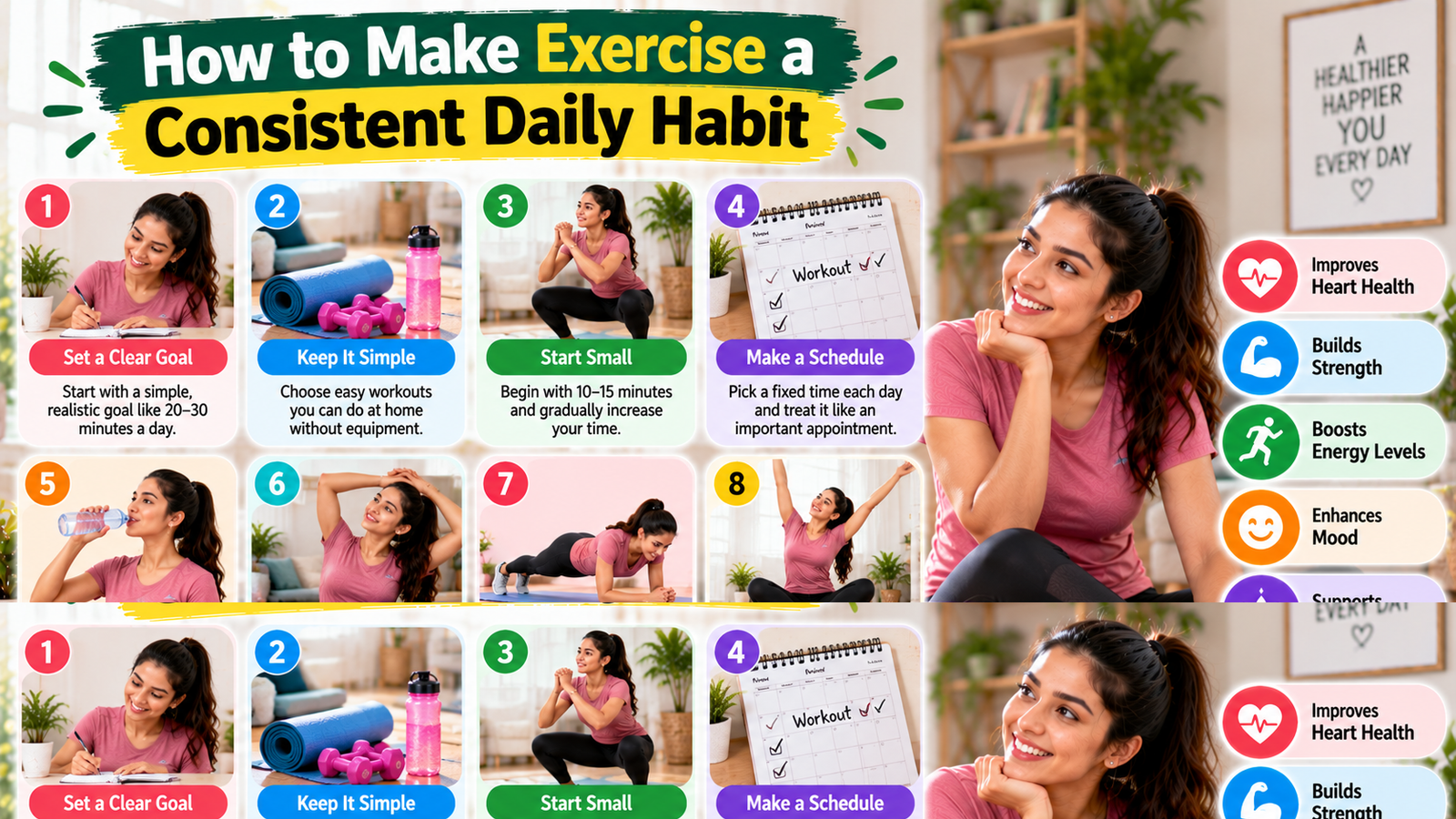
1. Start With Small and Realistic Goals
One of the biggest mistakes beginners make is trying to change their entire lifestyle overnight. They may decide to exercise for an hour every morning, follow a strict diet, and complete challenging workouts every day. Although this approach can feel exciting at first, it may become difficult to maintain.
I believe starting small is a more practical strategy. Instead of setting a goal that requires too much time and energy, I can begin with five to ten minutes of exercise each day.
For example, I might take a short walk after breakfast, stretch before starting work, or perform a few bodyweight exercises in my living room. Once these activities become easier, I can gradually increase the duration or intensity.
Small goals also help me build confidence. Completing a short workout regularly is more useful for developing a habit than repeatedly planning a long workout that never happens.
The main purpose at the beginning is to establish consistency rather than achieve perfect fitness results immediately.
2. Choose Exercises You Enjoy
Exercise becomes easier to maintain when I enjoy the activity. If I force myself to perform workouts that I dislike, I may eventually begin avoiding them.
Fortunately, there are many ways to stay physically active. I can choose walking, cycling, swimming, dancing, gardening, home workouts, or a sport that interests me.
For example, if I enjoy spending time outdoors, a morning walk may be a better choice than exercising indoors. If I prefer privacy, simple home workouts might fit my personality and schedule.
I can also combine different activities throughout the week to prevent boredom. Walking on one day, stretching on another, and completing a short strength workout later in the week can make my routine more enjoyable.
The best exercise routine is not necessarily the most complicated one. It is the routine I can realistically continue over time.
3. Schedule Exercise at a Specific Time
One practical way to build a daily exercise habit is to choose a specific time for it. When exercise remains an activity I will do whenever I have free time, it can easily be postponed.
I can make the process easier by connecting exercise to an existing part of my daily schedule. For example, I might walk after breakfast, stretch after finishing work, or complete a short workout before taking a shower.
Choosing a regular time reduces the need to make the same decision every day. It also helps me organize other responsibilities around my exercise routine.
However, I do not need to believe that morning exercise is the only effective option. Some people prefer exercising in the afternoon or evening. The best time depends on my energy levels, personal responsibilities, and daily schedule.
If my usual exercise time becomes unavailable, I can choose another suitable time rather than skipping physical activity completely.
4. Create a Simple Weekly Exercise Plan
A weekly exercise plan can help me understand what I want to accomplish without making every day feel complicated. I do not need an expensive fitness program or a detailed schedule with dozens of exercises.
I can begin with a basic plan that includes walking, strength exercises, and flexibility activities.
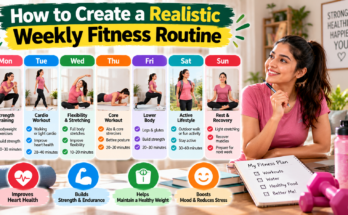
Here is an example of a beginner friendly weekly exercise routine.
| Day | Suggested activity |
|---|---|
| Monday | 10 to 15 minutes of walking |
| Tuesday | Short bodyweight strength workout |
| Wednesday | Walking and gentle stretching |
| Thursday | 10 to 20 minutes of brisk walking |
| Friday | Beginner strength exercises |
| Saturday | Cycling, dancing, or another enjoyable activity |
| Sunday | Gentle movement or recovery |
This schedule is only an example. I can adjust it according to my current fitness level, available time, and personal preferences.
If I am new to exercise, I can begin with shorter sessions and increase them gradually. I should also allow enough recovery time, especially after challenging workouts.
A flexible plan is easier to follow than a strict schedule that leaves no room for unexpected responsibilities.
5. Prepare Your Exercise Clothes and Equipment
Preparation can make exercise easier because it removes small obstacles before the workout begins.
If I plan to exercise in the morning, I can place my comfortable clothes and walking shoes somewhere convenient the night before. If I exercise at home, I can keep a yoga mat or other basic equipment in an accessible place.
I do not need to purchase expensive fitness products to get started. Comfortable clothing, supportive footwear appropriate for the activity, and enough space to move safely may be sufficient for many beginner workouts.
Preparing in advance also reminds me of my intention to exercise. When everything is ready, I can begin without spending time searching for equipment or deciding what to wear.
The easier I make the first step, the less likely I am to postpone the activity.
6. Connect Exercise With an Existing Habit
Habit stacking means connecting a new behavior to something I already do regularly. This approach can make exercise feel more natural because it becomes part of an established routine.
For example, I can walk for ten minutes after lunch, stretch after brushing my teeth in the morning, or perform a few gentle movements after finishing my workday.
The connection should be simple and easy to remember. Instead of saying that I will exercise at some point during the day, I can decide that I will take a short walk immediately after lunch.
Repeating the same sequence helps me remember the activity and reduces the need for extra planning.
I should choose a habit that happens reliably in my daily life. If my morning schedule changes frequently, connecting exercise to my lunch break or evening routine might be more practical.
7. Track Your Progress
Tracking my exercise can help me see how consistently I am following my routine. It also allows me to recognize progress that might otherwise go unnoticed.
I can use a notebook, calendar, or simple fitness application to record my workouts. I might write down how long I walked, which exercises I completed, or how energetic I felt afterward.
For beginners, consistency is often a more useful early measure than speed, weight loss, or workout intensity.
For example, if I exercise for ten minutes on five days during a week, I can recognize that I have made progress toward building a habit. Over time, I may increase the duration or try new activities as my fitness improves.
I should avoid comparing my progress with other people. Everyone has different responsibilities, abilities, starting points, and fitness goals.
My main purpose should be to improve my own routine gradually and safely.
8. Make Exercise Convenient
Convenience plays an important role in maintaining regular physical activity. If exercising requires a long commute, expensive equipment, or complicated preparation, I may find more reasons to avoid it.
Home workouts can be a useful option when I have limited time. Exercises such as chair squats, wall push ups, standing calf raises, and gentle marching in place can help me get started without visiting a gym.
Walking is another convenient choice. Depending on my surroundings, I can walk around my neighborhood, visit a nearby park, or include short walks in my daily errands.
I can also look for opportunities to move more throughout the day. Taking movement breaks, using stairs when appropriate, and standing up periodically during long periods of sitting can contribute to a more active lifestyle.
The goal is to reduce unnecessary barriers so that exercise becomes a realistic part of everyday life.
9. Do Not Depend Only on Motivation
Motivation can help me begin exercising, but it naturally changes from day to day. Sometimes I may feel energetic and excited about a workout. On other days, I may feel tired, distracted, or busy.
This is why I should develop a routine that does not depend entirely on how motivated I feel.
One useful strategy is to create a minimum exercise goal. On a busy day, I might aim to complete five minutes of gentle movement instead of following my full workout plan.
This smaller version keeps the habit manageable while allowing me to adjust to my circumstances.
However, I should not force myself to exercise through illness, significant pain, or unusual exhaustion. Rest and recovery are important parts of a healthy fitness routine.
Consistency does not mean ignoring my body’s needs. It means finding a sustainable balance between regular activity and appropriate recovery.
10. Find Ways to Stay Accountable
Accountability can make it easier to maintain an exercise habit. When I share my goal with a friend or family member, I may feel more encouraged to follow my plan.
I can invite someone to join me for a walk, arrange regular workout sessions with a friend, or record my completed activities in a calendar.
Some people enjoy group classes or beginner fitness communities because they provide social support. Others prefer exercising alone and tracking their progress privately.
I should choose an accountability method that makes me feel encouraged rather than pressured.
It is also helpful to celebrate small achievements. Completing my first week of regular walks or following my planned routine for several days can be a reason to acknowledge my effort.
Rewards do not need to be expensive. I might enjoy a relaxing evening, listen to my favorite music, or spend time on an activity I like.
11. Make Adjustments When Your Schedule Changes
Life does not always follow a predictable schedule. Work responsibilities, family commitments, travel, and unexpected events can interrupt an exercise routine.
If I miss a workout, I should avoid treating it as a complete failure. Missing one day does not erase the progress I have already made.
Instead, I can return to my routine at the next suitable opportunity. If I cannot complete my usual thirty minute session, I might take two shorter walks during the day.
I can also keep an alternative workout ready for busy days. A short home routine may be easier to complete than traveling to a gym when time is limited.
The most important thing is to avoid turning one missed session into a long period of inactivity. Flexible planning helps me continue exercising even when my schedule changes.
12. Listen to Your Body and Exercise Safely
Building a daily exercise habit should improve my well being rather than create unnecessary strain. I should begin at a level that matches my current fitness and increase activity gradually.
Warming up with a few minutes of gentle movement can help prepare my body for more demanding exercise. After a workout, I can slow down and stretch gently if it feels comfortable.
I should drink enough water, wear appropriate clothing, and choose a safe place to exercise. If I experience sharp pain, dizziness, chest discomfort, or unusual shortness of breath, I should stop exercising and seek appropriate medical guidance. Severe or sudden symptoms may require urgent medical attention.
People with existing health concerns, significant mobility limitations, or a long period of inactivity may benefit from discussing an appropriate exercise plan with a qualified healthcare professional.
Rest days and lighter activity are also valuable. I do not need to perform an intense workout every day to maintain an active lifestyle.
Common Mistakes to Avoid When Building an Exercise Habit
Several common mistakes can make it harder to stay consistent.
First, I should avoid setting unrealistic goals that require more time or energy than I can comfortably manage. Starting with small steps gives me room to improve.
Second, I should not compare my routine with the fitness schedules I see online. Other people may have different experience levels, resources, and available time.
Third, I should avoid changing my entire routine every few days. Giving a simple plan enough time to become familiar can help me develop consistency.
Finally, I should not judge my progress only by changes in body weight or appearance. Improved stamina, better mobility, greater confidence, and the ability to complete daily activities more comfortably are also meaningful signs of progress.
Conclusion
Making exercise a consistent daily habit does not require perfect motivation, expensive equipment, or hours of free time. In my view, the most effective approach is to start with small goals, choose enjoyable activities, schedule regular exercise, and make the routine convenient.
I can begin with a short walk or a few minutes of movement and gradually build from there. Tracking progress, preparing in advance, and adjusting my schedule when necessary can also help me stay consistent.
Most importantly, I should remember that building a healthy habit takes time. Some days will be easier than others, and occasional interruptions are normal. Instead of giving up when my routine changes, I can return to it and continue moving forward.
By focusing on consistency rather than perfection, I can make exercise a natural part of my everyday life and work toward better fitness, improved mobility, and long term well being.