Introduction
A healthy breakfast is a simple way to start the day with nutritious food and prepare for the activities ahead. Whether you are going to work, attending classes, managing household responsibilities, or working from home, choosing the right breakfast can help you meet your daily nutritional needs. However, many people struggle to prepare breakfast because they have limited time in the morning.
In my opinion, eating a healthy breakfast does not need to involve complicated recipes, expensive ingredients, or spending an hour in the kitchen. With a little planning, you can prepare simple meals that provide protein, fiber, vitamins, minerals, and energy for your daily routine.
The best healthy breakfast ideas for a busy morning are practical, affordable, and easy to prepare. Options such as oatmeal, eggs, yogurt with fruit, whole grain toast, and homemade smoothies can fit into different schedules and food preferences.
In this article, I will share several healthy breakfast ideas for busy mornings, explain how to prepare them, and provide practical tips to make breakfast easier without sacrificing nutritional quality.
1. Start Your Morning With a Bowl of Oatmeal
Oatmeal is one of the easiest breakfast options for people who want a nutritious meal without spending too much time cooking. Oats provide carbohydrates, fiber, and several important nutrients. They also contain a type of soluble fiber called beta glucan.
You can prepare oatmeal with water or milk, depending on your preferences. For additional flavor and nutrition, add sliced bananas, chopped apples, berries, nuts, or seeds.
A simple breakfast might include half a cup of dry oats cooked with milk, followed by banana slices and a small amount of nuts. Adjust the serving according to your appetite and nutritional needs.
If mornings are particularly busy, prepare overnight oats the evening before. Combine oats with milk or yogurt in a container, add fruit if desired, and refrigerate overnight. In the morning, your breakfast will be ready to eat.
I like this option because it requires very little effort and can be changed easily. You can experiment with different fruits and toppings throughout the week to avoid eating the same combination every day.
2. Prepare Eggs for a Protein Rich Breakfast
Eggs are a convenient source of high quality protein and contain nutrients such as vitamin B12, selenium, and choline. They are also versatile, making them suitable for several quick breakfast recipes.
Boiled eggs are particularly useful when you have very little time in the morning. You can cook them ahead of time, refrigerate them safely, and serve them with whole wheat toast or fruit.
Another option is a vegetable omelet. Beat one or two eggs, add chopped tomatoes, spinach, onions, or bell peppers, and cook until the eggs are fully set. Serve with whole wheat roti or toast for a more balanced meal.
If you prefer a traditional breakfast, eggs can also be served with a small portion of homemade vegetables or beans.
To save time, wash and chop suitable vegetables in advance and store them appropriately. This makes it easier to prepare an omelet before leaving home.
Eggs can be part of a balanced breakfast, but variety is still important. You can alternate them with yogurt, lentils, beans, or other protein rich foods throughout the week.
3. Enjoy Yogurt With Fresh Fruits
Yogurt with fresh fruit is a practical breakfast for people who prefer something light and refreshing. Plain yogurt provides protein and calcium, while fruit contributes fiber, vitamins, and minerals.
To prepare this breakfast, place plain yogurt in a bowl and add sliced bananas, apples, mangoes, or seasonal berries. You can also add a small portion of oats, almonds, walnuts, or chia seeds for extra texture and nutrients.
If you need to take breakfast to work, prepare the ingredients in a reusable container and refrigerate it until you leave.
Choose plain yogurt more often because flavored varieties can contain substantial amounts of added sugar. If you prefer a sweeter taste, fruit can provide natural sweetness without requiring much additional sugar.
This breakfast is also easy to customize according to your budget. Seasonal fruits are often a practical choice, and you do not need expensive toppings to make a nutritious meal.
Remember to keep yogurt refrigerated and use an insulated lunch bag with an ice pack if you need to carry it for an extended period.
4. Make Whole Grain Toast With Healthy Toppings
Whole grain toast is another simple option for a busy morning. Whole grain bread generally provides more fiber than refined white bread, although the nutritional content depends on the product.
You can prepare toast with peanut butter, boiled eggs, mashed avocado, cottage cheese, or other suitable toppings.
For example, whole grain toast with an egg and a piece of fruit can provide carbohydrates, protein, and fiber. Another option is peanut butter on toast with sliced banana.
If you enjoy savory breakfasts, add tomatoes or spinach to your toast. These ingredients increase variety and help you include vegetables earlier in the day.
When choosing bread, check the ingredient list and look for products made primarily with whole grains. Some breads marketed as brown or multigrain may still contain substantial amounts of refined flour.
The biggest advantage of toast is convenience. Most combinations take only a few minutes to prepare, making them useful when you need to leave home quickly.
5. Blend a Quick Breakfast Smoothie
A homemade smoothie can be a convenient breakfast when you have little time for cooking. It allows you to combine fruit with other ingredients in a drink that is easy to prepare.
For a simple banana smoothie, blend a banana with milk or plain yogurt. You can add oats, peanut butter, or a small amount of seeds to make it more substantial.
Another option is a mango and yogurt smoothie prepared with fresh or frozen mango. If you want to experiment with vegetables, add a small amount of spinach to a fruit based combination.
Avoid adding large amounts of sugar, syrup, or sweetened ingredients. Whole fruit already contributes natural sweetness.
It is also worth remembering that smoothies may be less filling than eating whole fruit and other solid foods, especially when consumed quickly. Adding protein and fiber rich ingredients can help make a smoothie more satisfying.
A smoothie can be useful when you are rushing, but it does not have to replace a regular breakfast every day. You can alternate it with oatmeal, eggs, or other meals for greater variety.
6. Try Peanut Butter and Banana Toast
Peanut butter and banana toast is an easy breakfast that combines carbohydrates, some protein, fiber, and unsaturated fats.
To prepare it, toast a slice or two of whole grain bread, spread a moderate amount of peanut butter over the surface, and add banana slices.
This combination is useful for people who want a breakfast that requires very little preparation. It also works well as a meal before a busy morning of work or study.
Choose peanut butter with a simple ingredient list when possible, preferably without excessive added sugar or salt. Remember that peanut butter is energy dense, so the amount you use should suit your appetite and dietary needs.
You can change the recipe by using apple slices instead of banana or adding a small amount of cinnamon.
If you have a peanut allergy, choose an appropriate alternative that is safe for you.
7. Prepare a Healthy Breakfast Wrap
A breakfast wrap is a practical choice for people who need something portable. It can be eaten at home or packed for later, provided perishable ingredients are kept at a safe temperature.
Use a whole wheat tortilla or roti and fill it with scrambled eggs, cooked vegetables, beans, or another protein source.
For example, a wrap containing eggs, tomatoes, and spinach can provide protein and a variety of nutrients. A vegetarian version could include chickpeas, vegetables, and a small amount of yogurt sauce.
You can prepare the fillings the night before and assemble the wrap in the morning. If you make several portions in advance, refrigerate them promptly and reheat them safely when needed.
Avoid filling the wrap with excessive amounts of salty sauces or processed meats. Simple ingredients can provide plenty of flavor.
This breakfast is particularly useful when you prefer savory food and want something more substantial than fruit alone.
8. Eat a Bowl of Whole Grain Cereal With Milk
Whole grain cereal with milk is one of the quickest breakfast options available. It requires almost no cooking and can be prepared in less than five minutes.
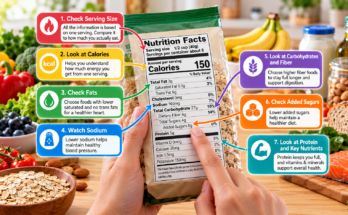
Choose a cereal that provides fiber and contains limited added sugar. Read the nutrition label because products that look similar can differ considerably in their nutritional content.
Serve the cereal with milk or a suitable fortified alternative. Add fresh fruit, such as banana slices, strawberries, or chopped apples, to increase variety.
Milk can provide protein and calcium, while whole grain cereal supplies carbohydrates and, depending on the product, fiber and additional nutrients.
If you prefer a plant based milk alternative, check whether it is fortified with calcium and vitamin D. Protein content varies between products, so compare labels if protein is an important consideration.
This option is especially convenient for mornings when you do not have enough time to prepare eggs or cook oatmeal.
9. Make a Quick Chickpea or Bean Breakfast
Beans and chickpeas are affordable sources of plant based protein, fiber, and several minerals. They can be included in breakfast, especially if you enjoy savory foods.
For a simple chickpea breakfast, combine cooked chickpeas with chopped tomatoes, cucumber, onions, lemon juice, and a small amount of seasoning.
You can also prepare a warm bean dish and serve it with whole wheat roti. If you already have cooked beans in the refrigerator, breakfast preparation becomes much faster.
Canned chickpeas and beans can save time. Choose lower sodium options when possible, and rinse canned varieties before use to remove some of the added sodium.
This breakfast may be particularly appealing to people who prefer traditional home cooked foods instead of sweet breakfast dishes.
To save time, prepare the ingredients the previous evening and assemble the meal in the morning. Make sure cooked foods are refrigerated promptly and handled safely.
10. Prepare Breakfast the Night Before
One of the best ways to eat a healthy breakfast during a busy morning is to complete some preparation the night before.
When you are tired or running late, even a simple meal can feel inconvenient. Preparing ingredients ahead of time reduces the number of decisions you need to make in the morning.
Here are a few practical examples.
Overnight oats: Combine oats, milk, and yogurt in a container and refrigerate overnight.
Boiled eggs: Cook eggs ahead of time, refrigerate them, and serve with toast or fruit.
Fruit containers: Wash and portion suitable fruits for easy access.
Breakfast wraps: Prepare fillings in advance and assemble or reheat the wrap in the morning.
Yogurt bowls: Measure plain yogurt and prepare separate toppings to add before eating.
You do not need to prepare an entire week’s breakfast in one session. Even preparing one or two meals ahead of time can make your routine easier.
The aim is to reduce stress and make nutritious food more convenient than skipping breakfast or relying on whatever happens to be available.
11. Choose Affordable Breakfast Ingredients
Healthy breakfast does not have to be expensive. Many nutritious foods are widely available and can be used in several different recipes.
Oats, eggs, bananas, seasonal fruits, plain yogurt, whole wheat roti, lentils, and chickpeas are examples of ingredients that may offer good value depending on local prices.
You can also save money by purchasing seasonal produce, preparing meals at home, and using ingredients in multiple ways.
For example, a carton of eggs can provide several breakfasts, while oats can be prepared with different fruits throughout the week. Cooked chickpeas can be used in breakfast salads and other meals.
Before shopping, prepare a short list of the foods you actually need. This can reduce unnecessary purchases and food waste.
In my opinion, affordable and familiar ingredients are often the most practical foundation for a healthy eating routine. You do not need specialty powders, expensive imported foods, or complicated recipes to prepare a nutritious breakfast.
12. Build a Balanced Breakfast Routine
A healthy breakfast should provide enough nourishment to suit your appetite and morning activities. A useful approach is to combine foods from different groups instead of relying on a single ingredient.
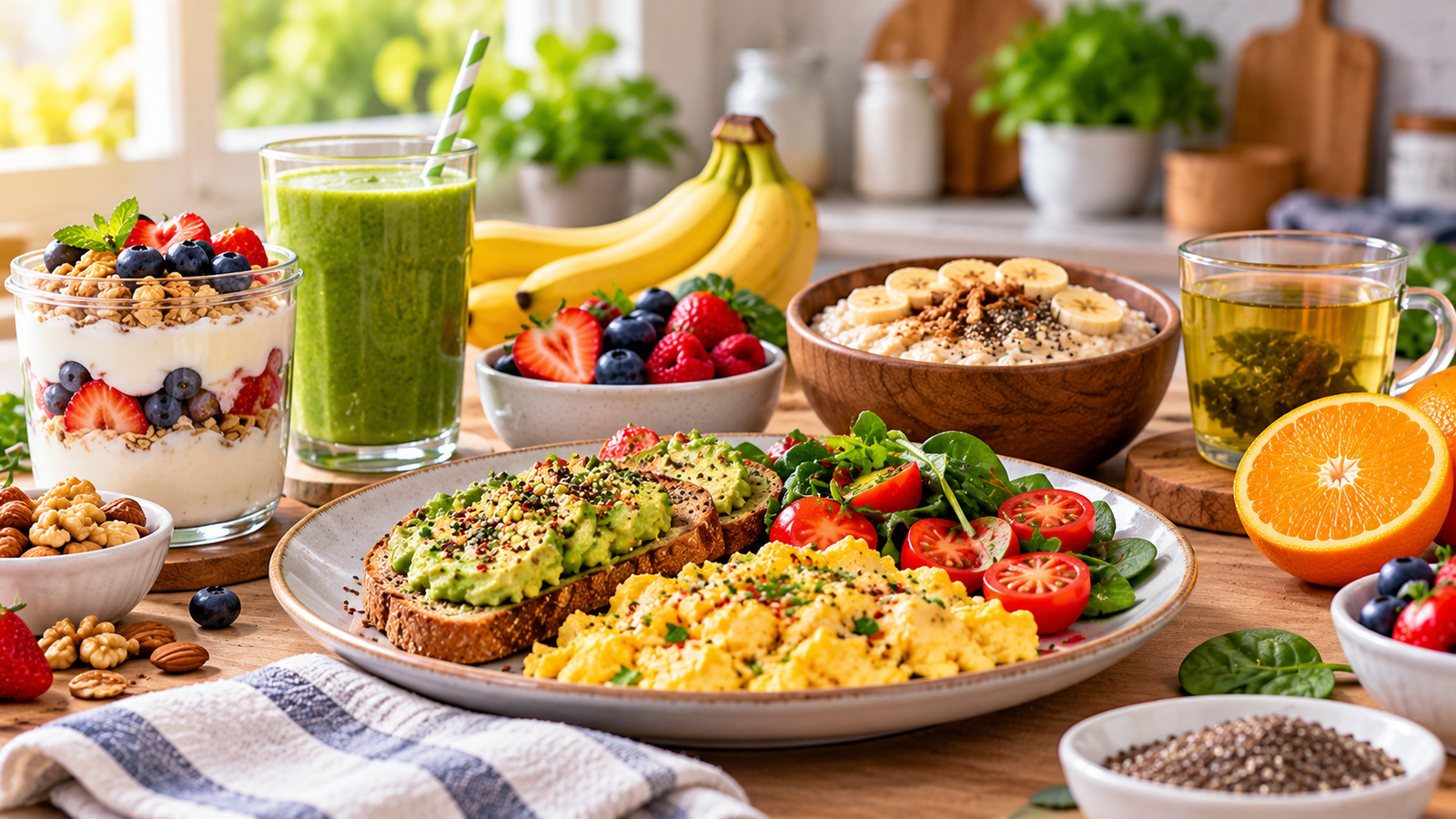
For example, oatmeal with milk and fruit provides carbohydrates, protein, and fiber. Eggs with whole wheat toast and tomatoes provide protein, carbohydrates, and vegetables. Yogurt with fruit, oats, and nuts offers another combination.
Your portion sizes will depend on your energy needs, age, activity level, and appetite. Some people prefer a larger breakfast, while others prefer a smaller meal or need to eat later in the morning.
It is also important to understand that breakfast is not mandatory for everyone. Some adults prefer not to eat immediately after waking up. What matters most is meeting your overall nutritional needs and maintaining an eating pattern that works for you.
If you regularly feel weak, dizzy, or unusually tired in the morning, consider discussing these symptoms with a healthcare professional rather than assuming breakfast alone will resolve them.
A flexible routine is generally easier to maintain than a strict plan that does not fit your daily life.
Conclusion
Healthy breakfast ideas for a busy morning do not need to be complicated. Oatmeal, eggs, yogurt with fruit, whole grain toast, smoothies, breakfast wraps, and chickpea dishes are all practical options that can fit into different schedules and budgets.
In my view, the best breakfast is one that provides useful nutrients, tastes good, and is easy enough to prepare consistently. You do not need to cook a different recipe every day or spend a lot of money on special ingredients.
Start by choosing two or three breakfast options that you enjoy. Prepare ingredients the night before, keep convenient foods available, and experiment with simple combinations to add variety.
Remember that a balanced breakfast is only one part of a healthy daily diet. Lunch, dinner, snacks, hydration, and your overall eating pattern also matter.
With a little planning and a few reliable recipes, you can make breakfast a more convenient and enjoyable part of your everyday routine.