Making healthier food choices is one of the simplest ways to improve everyday eating habits and support overall well being. The foods we eat provide energy, essential nutrients, and the building blocks our bodies need to function properly. However, choosing nutritious foods can sometimes feel difficult when we have busy schedules, limited budgets, or easy access to fast food and packaged snacks.
In my opinion, healthy eating does not have to be complicated. You do not need to follow a strict diet, purchase expensive health products, or completely avoid your favorite foods. Small, consistent changes can make a meaningful difference in the quality of your daily meals.
By learning how to balance different food groups, choose nutritious snacks, read food labels, and plan meals in advance, you can make better food choices without adding unnecessary stress to your routine.
In this article, I will share simple tips for making healthier food choices that can fit into everyday life. These practical ideas can help you develop a balanced eating pattern while keeping your meals enjoyable, affordable, and convenient.
1. Include More Fruits and Vegetables in Your Diet
One of the easiest ways to improve your eating habits is to include more fruits and vegetables in your daily meals. These foods provide vitamins, minerals, fiber, and other beneficial plant compounds that support normal body functions.
Fruits and vegetables also add natural flavor, color, and variety to meals. You do not need to purchase expensive or unusual produce to benefit from them. Common options such as bananas, apples, oranges, carrots, spinach, tomatoes, cucumbers, and cabbage can all be useful choices.
I recommend starting with small changes. Add fruit to your breakfast, include vegetables with lunch, or prepare a simple salad with dinner.
You can also add vegetables to omelets, rice dishes, soups, and homemade sandwiches. If fresh produce is expensive or difficult to find, frozen vegetables and fruits can be convenient alternatives.
Try to choose different colors and varieties throughout the week. This helps you enjoy a broader range of nutrients while making meals more interesting.
The key is consistency. Including vegetables and fruits regularly is more practical than trying to eat large amounts occasionally.
2. Choose Balanced Meals Instead of Restrictive Diets
A balanced meal includes different foods that provide a combination of essential nutrients. Rather than eliminating entire food groups without a specific reason, focus on combining vegetables, protein sources, carbohydrates, and healthy fats.
For example, a balanced lunch might include chicken, whole wheat roti, and vegetables. A plant based option could contain lentils, brown rice, and a fresh salad.
A simple way to plan your plate is to fill approximately half with vegetables and fruits, one quarter with protein rich foods, and one quarter with whole grains or other carbohydrate sources. This is a flexible guide, not a strict rule, and individual needs can vary.
Protein foods such as eggs, beans, lentils, fish, yogurt, and chicken help maintain body tissues. Carbohydrates provide energy, while healthy fats support normal body functions and help the body absorb certain vitamins.
I believe balanced meals are easier to maintain than restrictive diets because they allow greater variety and flexibility.
3. Make Water Your Main Drink
Drinks can influence your overall nutritional intake, especially when they contain large amounts of added sugar. Sweetened soft drinks, energy drinks, and heavily sweetened beverages can add considerable sugar without providing many essential nutrients.
Choosing water more often is a simple way to improve your everyday routine. Water supports digestion, helps regulate body temperature, and allows the body to perform normal functions.
Keep a reusable water bottle nearby at work, school, or home. If plain water feels boring, try adding lemon slices, cucumber, or fresh mint for flavor.
Unsweetened tea and other suitable drinks can also contribute to fluid intake. Your fluid needs depend on factors such as activity level, climate, and individual health conditions.
You do not need to stop enjoying every sweet drink immediately. Start by replacing one sugary drink with water and gradually build the habit.
4. Reduce Added Sugar Gradually
Added sugar is found in many packaged foods and drinks, including biscuits, sweets, flavored yogurt, breakfast cereals, sauces, and sweetened beverages.
Consuming too much added sugar can make it more difficult to maintain a balanced diet. Regularly choosing foods with less added sugar is therefore a useful habit.
Start by checking food labels when purchasing packaged products. Compare similar options and choose products with lower added sugar when practical.
You can also reduce the amount of sugar you add to tea, coffee, or homemade recipes. If you usually add several teaspoons, try using slightly less over time.
For snacks, consider fresh fruit, plain yogurt, roasted chickpeas, or a suitable portion of nuts.
Remember that fruit contains naturally occurring sugar along with water, fiber, and other nutrients. Whole fruit is generally a nutritious choice and does not need to be avoided simply because it tastes sweet.
The goal is not to eliminate all sugar from your diet but to make more thoughtful choices about where your added sugar comes from.
5. Choose Whole Grains More Often
Whole grains can be an important part of a healthy eating pattern. They provide carbohydrates for energy and often contain more fiber and certain nutrients than refined grains.
Examples include oats, brown rice, whole wheat bread, whole wheat roti, and other whole grain products.
Fiber supports digestive health and can help meals feel more satisfying. Including whole grains regularly may also help improve the overall nutritional quality of your diet.
You do not have to change everything at once. Try replacing some refined grain foods with whole grain alternatives that you enjoy.
For breakfast, you could choose oatmeal instead of a heavily sweetened cereal. At lunch or dinner, whole wheat roti or brown rice may be suitable options depending on your preferences.
When buying packaged bread or cereal, read the ingredient list. Terms such as whole wheat or whole grain can help you identify products made with these ingredients, but it is useful to check the full label.
Choose options that fit your budget and usual meals. Healthy eating should remain practical and enjoyable.
6. Include Protein in Your Daily Meals
Protein is essential for maintaining and repairing body tissues. It also contributes to the production of enzymes and other substances required for normal body functions.
Good protein sources include eggs, fish, chicken, milk, yogurt, beans, chickpeas, lentils, nuts, seeds, and soy products.
Including a protein source in meals can help make them more satisfying. For example, you could eat eggs with whole wheat bread at breakfast, lentils with rice at lunch, and chicken or beans with vegetables at dinner.
Plant based protein foods can be particularly useful because beans and lentils also provide fiber and other nutrients.
You do not need expensive protein powders or specialty products to include protein in a balanced diet. Everyday foods can provide useful amounts.
Try rotating different sources throughout the week instead of depending on the same food every day. This adds variety and makes meal planning easier.
7. Read Food Labels Before Buying Packaged Foods
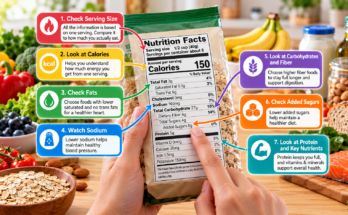
Food labels provide useful information about the nutritional content and ingredients of packaged products. Learning to read them can help you compare foods and make informed choices.
Start by checking the serving size. The calories and nutrient amounts listed on the package may apply to only one serving rather than the entire container.
Next, look at added sugars, sodium, saturated fat, fiber, and protein. Which details matter most will depend on your personal needs.
For example, if you want to increase your fiber intake, compare the fiber content of different breads or breakfast cereals. If you are trying to reduce sodium, check the sodium amounts in soups, sauces, and packaged snacks.
The ingredient list is also important. Ingredients are generally listed in descending order by weight, so items appearing near the beginning make up a larger proportion of the product.
Do not rely only on phrases such as natural, light, or high protein on the front of a package. Check the nutrition panel to understand the product more fully.
With practice, reading labels becomes a quick and useful part of grocery shopping.
8. Prepare More Meals at Home
Cooking at home gives you greater control over the ingredients and cooking methods used in your meals. It can also help you manage portion sizes and reduce dependence on restaurant meals or fast food.
Homemade meals do not need to be complicated. Simple dishes such as lentil curry, vegetable rice, chicken with salad, homemade sandwiches, and vegetable omelets can provide a useful combination of nutrients.
You can make cooking easier by preparing a few ingredients in advance. Wash vegetables, cook beans or lentils, prepare sauces, or portion ingredients for upcoming meals.
Planning several meals around the same ingredients can also save money. For example, cooked chicken can be used in a sandwich one day and served with vegetables and rice the next.
If you have limited time, prepare larger quantities of suitable dishes and refrigerate or freeze portions safely.
Cooking at home is not the only way to eat well, but it is a practical habit that can help you make more consistent food choices.
9. Choose Healthier Snacks
Snacks can fit into a balanced diet, especially when you feel hungry between meals. The most useful choices depend on your preferences, nutritional needs, and daily routine.
Instead of relying on snacks that mainly provide added sugar or salt, try options that offer useful nutrients.
Some practical choices include:
- Fresh fruit such as apples, bananas, and oranges.
- Plain yogurt with fruit.
- Boiled eggs.
- Roasted chickpeas.
- A suitable portion of unsalted nuts.
- Carrot and cucumber slices.
- Whole grain crackers with a protein rich food.
Keep convenient options available at home, work, or school so you are not forced to make a rushed decision when hunger appears.
At the same time, there is no need to label every snack as good or bad. Occasional treats can fit into a balanced eating pattern.
Focus on your overall habits rather than expecting every food choice to be perfect.
10. Pay Attention to Portion Sizes
Even nutritious foods need to be considered in the context of your individual needs. Portion sizes influence how much energy and how many nutrients you obtain from meals.
A practical starting point is to serve a balanced plate containing vegetables, protein, and carbohydrate sources. Then adjust the amount according to your hunger, activity level, and personal requirements.
Eating slowly can also help you notice when you feel satisfied. Try to avoid rushing through meals while working or watching something if doing so makes it difficult to pay attention to hunger and fullness.
However, portion control does not mean eating as little as possible. Your body needs enough food to support daily activities and normal functions.
Children, highly active people, older adults, and individuals with particular medical needs may require different approaches.
Rather than following strict portion rules from an online diet, develop a routine that supports your energy needs and leaves you feeling comfortably satisfied.
11. Plan Your Meals Before the Week Begins
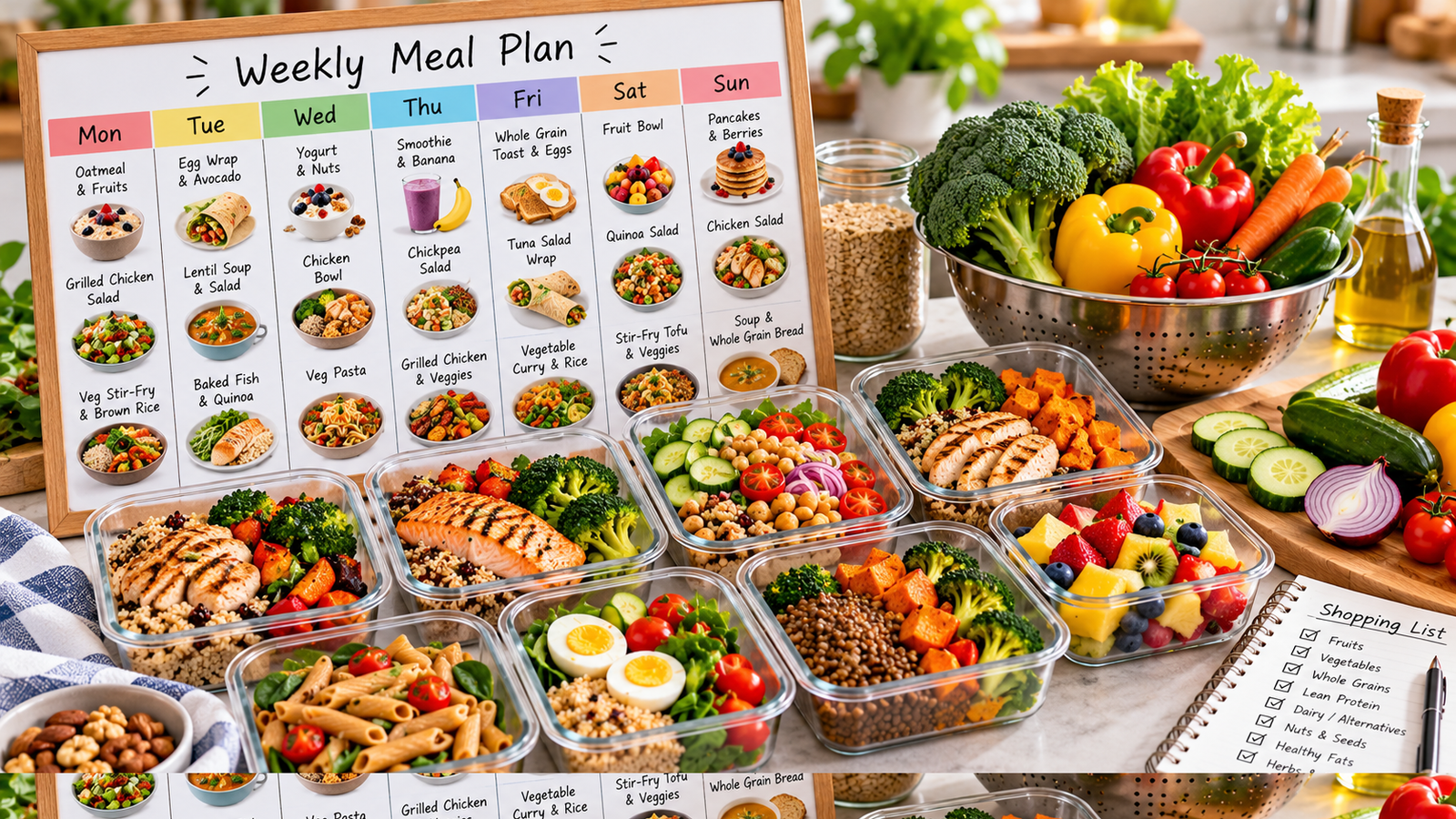
Weekly meal planning can make healthier food choices much easier. When you already know what you will eat, you can prepare a shopping list, use ingredients efficiently, and avoid making every decision at the last minute.
Start by selecting a few breakfasts, lunches, and dinners for the upcoming week. Choose recipes that fit your schedule and use ingredients you already have.
For example, you might prepare oatmeal or eggs for breakfast, lentils or chicken with vegetables for lunch, and homemade curry or fish with rice for dinner.
You can repeat meals when convenient. There is no need to cook something different every day.
Before shopping, check your refrigerator and cupboards to avoid buying ingredients you do not need. Choose seasonal produce and affordable staples such as beans, lentils, oats, eggs, and whole grains.
Meal planning can also help reduce food waste because you purchase ingredients according to an actual plan.
Keep your schedule flexible so you can use leftovers and adjust meals when your plans change.
12. Make Healthier Choices When Eating Out
Eating at restaurants or ordering food occasionally does not mean you cannot maintain healthy habits. A few practical decisions can help you create a more balanced meal.
Look for dishes that include vegetables and a suitable protein source. Grilled, baked, steamed, or roasted options may be useful alternatives to heavily fried foods, depending on how they are prepared.
Consider ordering sauces or dressings separately when that helps you control the amount used. You can also choose water or an unsweetened drink more often.
If restaurant portions are large, you may choose an amount that suits your hunger and save the remainder safely for another meal when appropriate.
It is also worth considering the overall meal rather than focusing on one ingredient. A meal can include a favorite food and still fit into a balanced eating pattern.
The goal is to make reasonable choices without feeling that you must avoid social meals or favorite dishes completely.
13. Choose Affordable and Seasonal Foods
Healthy eating does not need to be expensive. Many nutritious foods are widely available at reasonable prices, especially when you choose seasonal produce and basic ingredients.
Lentils, chickpeas, beans, eggs, oats, potatoes, and locally available vegetables can form the foundation of many balanced meals.
Frozen vegetables can also be useful because they last longer and require less preparation. Buying dry beans and lentils in suitable quantities may help reduce grocery costs.
Before visiting the market, create a shopping list and set a realistic budget. Compare prices and select foods that can be used in several recipes.
For example, tomatoes and onions can be included in curries, soups, rice dishes, and omelets. Seasonal fruit can be eaten as a snack or added to breakfast.
Avoid assuming that a food is healthier simply because it is expensive or marketed as a specialty health product. Basic foods can provide many essential nutrients.
14. Build Healthy Habits One Step at a Time
Changing every eating habit at once can feel overwhelming. A more practical approach is to focus on one or two improvements and build from there.
During the first week, you might add a serving of vegetables to dinner. The following week, you could replace one sugary drink with water. Later, you might begin planning lunches or choosing whole grains more often.
Small changes are easier to repeat when they fit naturally into your routine.
It is also important to avoid feeling discouraged when you make a less nutritious choice. One meal does not determine the quality of your overall diet.
If you eat fast food one evening, you can return to your usual balanced meals the next day. Consistency over time matters more than perfection.
I believe this flexible approach makes healthy eating more realistic because it allows you to improve gradually without creating unnecessary pressure.
Common Mistakes to Avoid When Making Food Choices
While improving your diet, it helps to avoid a few common mistakes.
Following extreme diets: Very restrictive eating plans can make it difficult to obtain a suitable range of nutrients. Choose a balanced approach that fits your needs.
Skipping meals unnecessarily: Some people find that skipping meals leaves them overly hungry later. Choose a meal routine that supports your appetite, energy, and schedule.
Trusting every health claim: Check the ingredients and nutrition information rather than relying entirely on packaging claims.
Avoiding all favorite foods: A balanced diet can include occasional treats. Focus on the overall pattern rather than labeling every food as forbidden.
Ignoring hydration: Water is important for normal body functions, so remember to drink regularly throughout the day.
Expecting immediate results: Healthier habits are built through repeated choices. Give yourself time to find an approach that works.
If you have a medical condition, food allergy, or specific nutritional requirement, seek guidance from a qualified healthcare professional when necessary.
Conclusion
Making healthier food choices does not require a complete lifestyle change. By including more fruits and vegetables, choosing balanced meals, drinking water, reducing added sugar, and eating a variety of nutritious foods, you can gradually improve your everyday eating habits.
I believe the most effective approach is to keep things simple and focus on habits you can maintain. Prepare more meals at home when possible, read food labels, plan your groceries, and choose affordable ingredients that fit your preferences.
Remember that healthy eating is about the overall pattern of your diet, not about making every meal perfect. You can enjoy your favorite foods while still choosing nutritious options most of the time.
Start with one small change today and build on it gradually. Over time, these practical steps can help you develop a more balanced relationship with food and make healthier choices part of your everyday life.