Introduction
Reducing added sugar in your diet is a practical step toward developing healthier eating habits. Many everyday foods and drinks contain added sugar, including sweetened tea, soft drinks, packaged snacks, breakfast cereals, desserts, and flavored yogurts. Although sugar can make food taste enjoyable, consuming too much added sugar regularly can make it harder to maintain a balanced diet.
In my opinion, reducing sugar does not mean giving up every sweet food you enjoy. A healthy diet should be realistic, flexible, and easy to maintain. Instead of making sudden changes, you can start by adjusting your drinks, choosing less sweet snacks, reading food labels, and preparing more meals at home.
The most effective approach is to identify where most of your added sugar comes from and make small changes that fit your daily routine. You do not need expensive products or a strict diet plan to get started.
In this article, I will explain simple ways to reduce added sugar in your diet, choose healthier alternatives, understand food labels, and build eating habits that support long term health.
1. Understand the Difference Between Added Sugar and Natural Sugar
Before reducing sugar, it is helpful to understand the difference between added sugar and naturally occurring sugar.
Added sugar is sugar introduced to food or drinks during preparation, processing, or cooking. Examples include table sugar added to tea, syrup in desserts, and sugar used in sweetened beverages.
Naturally occurring sugars are found in foods such as whole fruits and plain milk. Whole fruits also provide fiber, vitamins, minerals, and other beneficial nutrients, while milk contains nutrients such as protein and calcium.
For this reason, reducing added sugar does not mean avoiding fruit or plain milk. Instead, focus on foods and drinks that contain sugar added during manufacturing or preparation.
Common sources include soft drinks, sweetened coffee, packaged cakes, candy, sweetened breakfast cereals, and some sauces.
Once you understand where added sugar comes from, it becomes easier to make informed choices without unnecessarily restricting nutritious foods.
2. Reduce Sugar in Tea and Coffee Gradually
For many people, tea and coffee are major sources of added sugar. Adding several teaspoons to every cup can increase daily sugar intake, particularly when these drinks are consumed multiple times a day.
You do not need to stop drinking your favorite beverages. A practical approach is to reduce the amount of sugar gradually.
For example, if you usually add two teaspoons of sugar to tea, try using one and a half teaspoons for several days. When that feels comfortable, reduce the amount again.
You can also experiment with cinnamon, cardamom, or other spices to add flavor without relying entirely on sugar.
If you drink sweetened coffee, try reducing flavored syrups or choosing a smaller serving of a sweetened beverage.
Gradual changes can make it easier to adjust to less sweetness. The goal is to develop a preference for drinks that are not excessively sweet while still enjoying your daily routine.
3. Replace Sugary Drinks With Water
Sugary drinks are one of the easiest sources of added sugar to overlook. Soft drinks, sweetened fruit drinks, energy drinks, and sweetened iced teas can contain substantial amounts of sugar.
Because these beverages are easy to consume quickly, they may contribute considerable added sugar without making you feel as satisfied as a solid meal.
Replacing some sugary drinks with water is a simple way to reduce added sugar in your diet.
Keep a water bottle nearby, drink water with meals, and carry it when leaving home. If you prefer flavored beverages, try adding lemon slices, cucumber, mint, or a few pieces of fruit to water.
Unsweetened tea and coffee can also be options, depending on your preferences.
You do not have to eliminate every sweet drink immediately. Start by replacing one regular serving with water and gradually build on that habit.
This approach can help you reduce sugar intake without making your daily routine unnecessarily restrictive.
4. Choose Whole Fruits Instead of Sugary Snacks
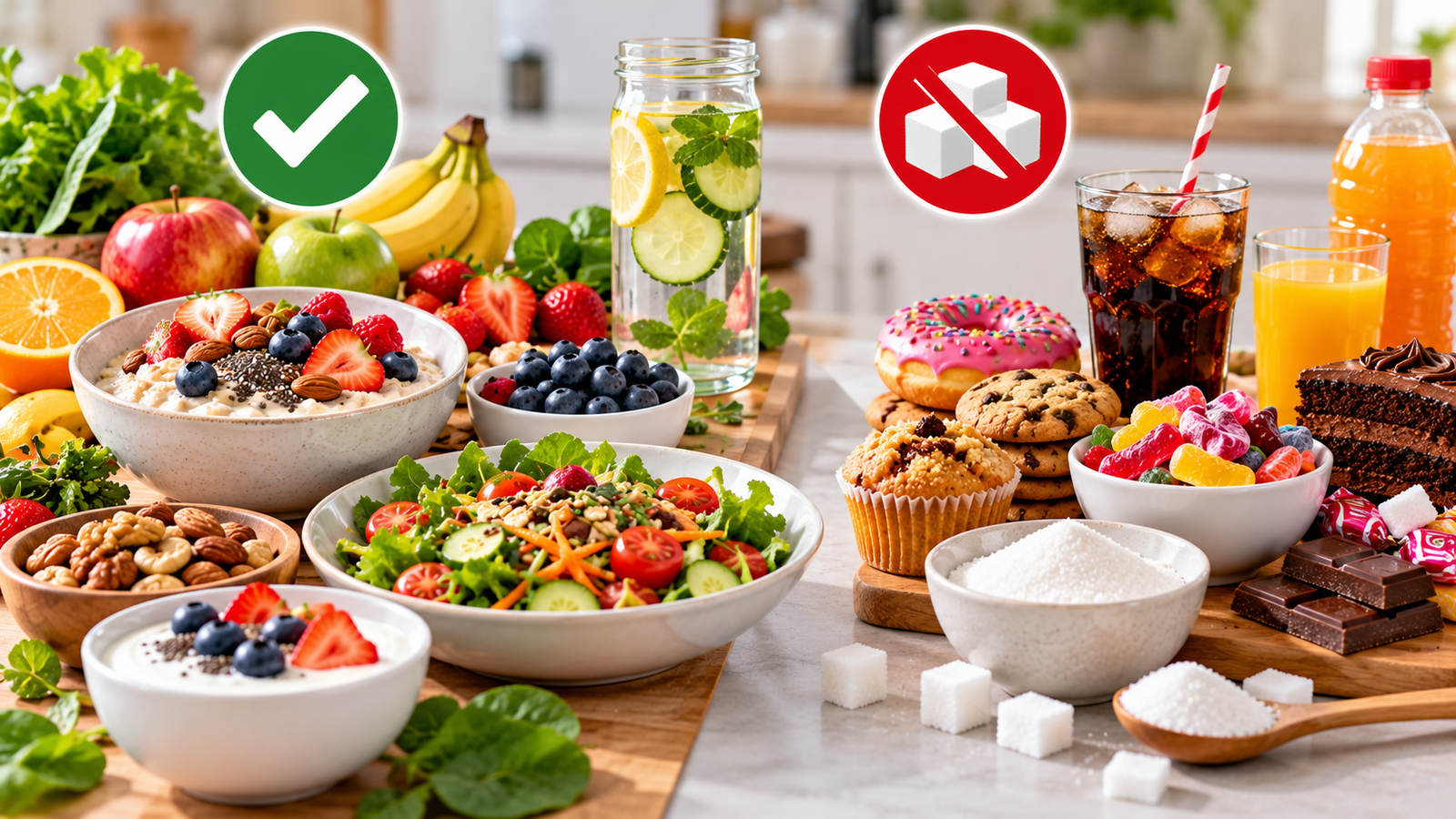
Fruit can be a useful alternative when you want something sweet. Apples, bananas, oranges, guavas, mangoes, and other seasonal fruits contain naturally occurring sugars along with nutrients and, when eaten whole, dietary fiber.
Instead of always reaching for candy, biscuits, or packaged cakes, try having a piece of fruit when you want a sweet snack.
You can also combine fruit with plain yogurt, a small handful of nuts, or another nutritious food to make a more satisfying snack.
For example, sliced apples with peanut butter or a banana with plain yogurt can provide a combination of nutrients and flavors.
Whole fruit is generally preferable to fruit juice because it retains its fiber and often takes longer to consume. Even juice without added sugar can contain substantial naturally occurring sugar in a small serving.
Fruit should not be treated as an unhealthy food simply because it tastes sweet. The main goal is to reduce excessive added sugar while maintaining a varied and nutritious diet.
5. Read Food Labels Before Buying Packaged Products
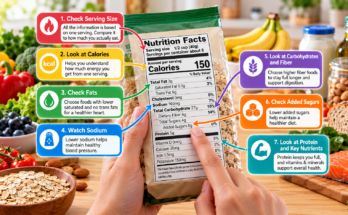
Reading nutrition labels is one of the most useful habits for identifying added sugar in packaged foods.
Some products may appear healthy because their packaging features words such as natural, wholesome, or made with fruit. However, these descriptions do not necessarily mean that the product contains little added sugar.
Check the nutrition information panel for total sugars and added sugars when the latter are listed separately.
Compare similar products and choose options with less added sugar when practical. For example, compare two breakfast cereals or two brands of yogurt before making a purchase.
Ingredient lists can also help identify added sugars. Look for terms such as sugar, glucose syrup, corn syrup, dextrose, and other sweetening ingredients.
Ingredients are generally listed in descending order by weight, so ingredients appearing near the beginning can indicate a larger contribution to the product.
Remember that label requirements vary by country, and not every product provides the same information. Learning to compare available labels can still help you make more informed choices.
6. Select Plain Yogurt Instead of Sweetened Yogurt
Yogurt can be a nutritious part of a balanced diet, but some flavored varieties contain considerable amounts of added sugar.
Plain yogurt generally provides protein and calcium without the added sugar found in many sweetened products.
If you enjoy flavored yogurt, you can prepare your own version by mixing plain yogurt with sliced bananas, chopped apples, berries, or other seasonal fruit.
A small amount of cinnamon can also add flavor.
For example, combine plain yogurt with chopped mango and a few nuts for a simple breakfast or afternoon snack. This provides natural sweetness alongside protein and other nutrients.
When purchasing yogurt, check the ingredient list and nutrition label because products vary widely. Some varieties contain added sugar, while others rely on naturally occurring sugars from milk.
Choosing plain yogurt more often is a straightforward way to reduce added sugar without giving up a food that you enjoy.
7. Reduce Sugar When Cooking at Home
Cooking at home gives you more control over the ingredients used in your meals. Many recipes contain more sugar than necessary, particularly desserts, sauces, and sweet baked goods.
When preparing a recipe, consider whether you can gradually reduce the sugar without significantly affecting its texture or flavor.
For example, you may be able to use less sugar in homemade muffins, pancakes, or certain sauces. Fruit, spices, and other ingredients can add flavor without requiring the same amount of sweetness.
In traditional cooking, taste your food before adding sugar automatically. Some recipes may need very little added sweetness, while others may benefit from a smaller amount than the original instructions suggest.
Be careful when changing recipes that depend on sugar for structure, preservation, or fermentation. Large reductions may affect the final result.
Preparing meals at home does not mean every ingredient must be completely free of sugar. It simply allows you to make deliberate choices about how much sweetness you prefer.
8. Choose Breakfast Foods With Less Added Sugar
Breakfast is another area where added sugar can accumulate. Sweetened cereals, pastries, flavored instant oatmeal, and packaged breakfast bars may contain more sugar than expected.
A useful alternative is to build breakfast around minimally processed ingredients.
Oatmeal prepared with milk or water can be topped with fresh fruit, nuts, or seeds. Eggs with whole wheat toast provide another option, while plain yogurt with fruit can be prepared quickly.
If you prefer cereal, compare labels and select products with less added sugar and more fiber when possible.
You can also prepare overnight oats in advance by mixing oats with plain yogurt or milk and refrigerating them overnight. Add fruit before eating.
These meals can help you start the day with a variety of nutrients while reducing dependence on heavily sweetened breakfast products.
The best choice is one that fits your schedule, appetite, budget, and nutritional needs.
9. Be Careful With Hidden Sugar in Sauces and Condiments
Added sugar is not limited to desserts and sweet beverages. It can also appear in ketchup, barbecue sauce, salad dressing, packaged marinades, and other condiments.
Although these foods may not taste as sweet as candy, their sugar content can add up when they are used frequently or in large amounts.
Read product labels and compare different brands when shopping. Choose lower sugar options where available.
You can also prepare simple dressings at home using ingredients such as lemon juice, plain yogurt, herbs, and a moderate amount of oil.
For sandwiches and other meals, experiment with fresh tomatoes, cucumber, herbs, and spices to add flavor without relying heavily on sweetened sauces.
You do not need to avoid every condiment. Pay attention to the amount you use and make informed choices based on the products available to you.
10. Avoid Using Sugar as Your Only Source of Comfort
Food is connected to enjoyment, celebrations, social activities, and sometimes emotions. Many people reach for sweet foods when they feel tired, bored, stressed, or frustrated.
There is nothing wrong with enjoying dessert occasionally. However, if sugary snacks become your automatic response to every difficult day, it may be helpful to develop additional ways to manage stress and fatigue.
You might take a short walk, speak with a friend, listen to music, or take a break from work before deciding whether you are hungry.
It can also help to maintain regular meals and keep nutritious snacks available. Going for long periods without eating may leave you extremely hungry and make quick snack choices more tempting.
Avoid judging yourself for eating sweets. Guilt and strict food rules can make your relationship with food more stressful.
A balanced approach allows you to enjoy favorite foods while making room for other habits that support your well being.
11. Set Realistic Goals for Reducing Sugar
Trying to remove all added sugar at once can feel overwhelming. A more practical strategy is to identify one or two habits that you can change comfortably.
For example, you could begin by reducing sugar in tea, replacing one sugary drink with water, or choosing plain yogurt instead of a sweetened variety.
After these changes become part of your routine, consider another small adjustment.
You can also keep a simple record of your habits for a few days. This may help you notice patterns, such as drinking sweetened beverages at lunch or eating packaged snacks during afternoon breaks.
Use that information to plan alternatives that you genuinely enjoy.
The World Health Organization recommends keeping free sugars below 10 percent of total daily energy intake and suggests that reducing them below 5 percent may provide additional benefits. Free sugars include sugars added to foods and drinks as well as sugars naturally present in honey, syrups, fruit juices, and fruit juice concentrates.
These recommendations are population guidelines, not a requirement to count every gram of sugar. Your individual nutritional needs may vary.
The aim is steady progress rather than perfection.
12. Make Healthier Choices When Eating Outside
Eating at restaurants, cafes, or other food outlets does not mean you have to abandon your efforts to reduce added sugar.
Many beverages, desserts, sauces, and specialty coffees contain added sugar. You can make simple adjustments when ordering.
Choose water or an unsweetened beverage instead of a sugary drink. Ask for sweet sauces or dressings separately when possible, and choose less sweet coffee options if they are available.
If you want dessert, enjoy a portion that suits your preferences rather than feeling that you must either avoid it completely or eat more than you want.
When buying packaged snacks while traveling, compare labels if practical and choose options with less added sugar.
These small decisions can help you maintain your usual eating habits even when you are away from home.
Healthy eating should be flexible enough to accommodate social occasions, travel, and everyday changes in your schedule.
Conclusion
Reducing added sugar in your diet does not require giving up every sweet food or following a strict meal plan. It begins with understanding where added sugar comes from and making practical changes that fit your lifestyle.
You can start by reducing sugar in tea and coffee, drinking water more often, choosing whole fruits, reading food labels, selecting plain yogurt, and preparing more meals at home. Paying attention to sugar in sauces, breakfast foods, and packaged snacks can also help.
In my opinion, the most effective approach is to make changes gradually and focus on habits you can maintain. Small adjustments may seem insignificant at first, but they can improve the overall quality of your diet when practiced consistently.
Remember that healthy eating is about balance, variety, and long term habits rather than perfection. Naturally sweet foods such as whole fruits can remain part of a nutritious diet, and you can still enjoy desserts occasionally.
Start with one simple change today and build from there. Over time, reducing added sugar can become a natural part of your everyday eating routine.