Walking is one of the easiest ways to become more active and improve overall fitness. It does not require expensive equipment, a gym membership, or advanced exercise skills. Whether you prefer walking outdoors, around your neighborhood, in a park, or on a treadmill, you can build a walking routine that fits your schedule and current fitness level.
In my opinion, walking is an excellent starting point for people who want to develop healthier habits without putting too much pressure on themselves. Many people spend long hours sitting at work, studying, or using digital devices. Adding regular walks to the day can help reduce sedentary time and make physical activity a natural part of everyday life.
The key is to start slowly, remain consistent, and gradually increase your walking time as your fitness improves. You do not need to walk long distances on your first day or aim for thousands of steps immediately.
In this article, I will explain how to start a walking routine for better fitness, choose realistic goals, improve walking habits, and stay motivated over the long term.
1. Understand the Benefits of Walking
Before starting a walking routine, it helps to understand why this simple activity can be valuable.
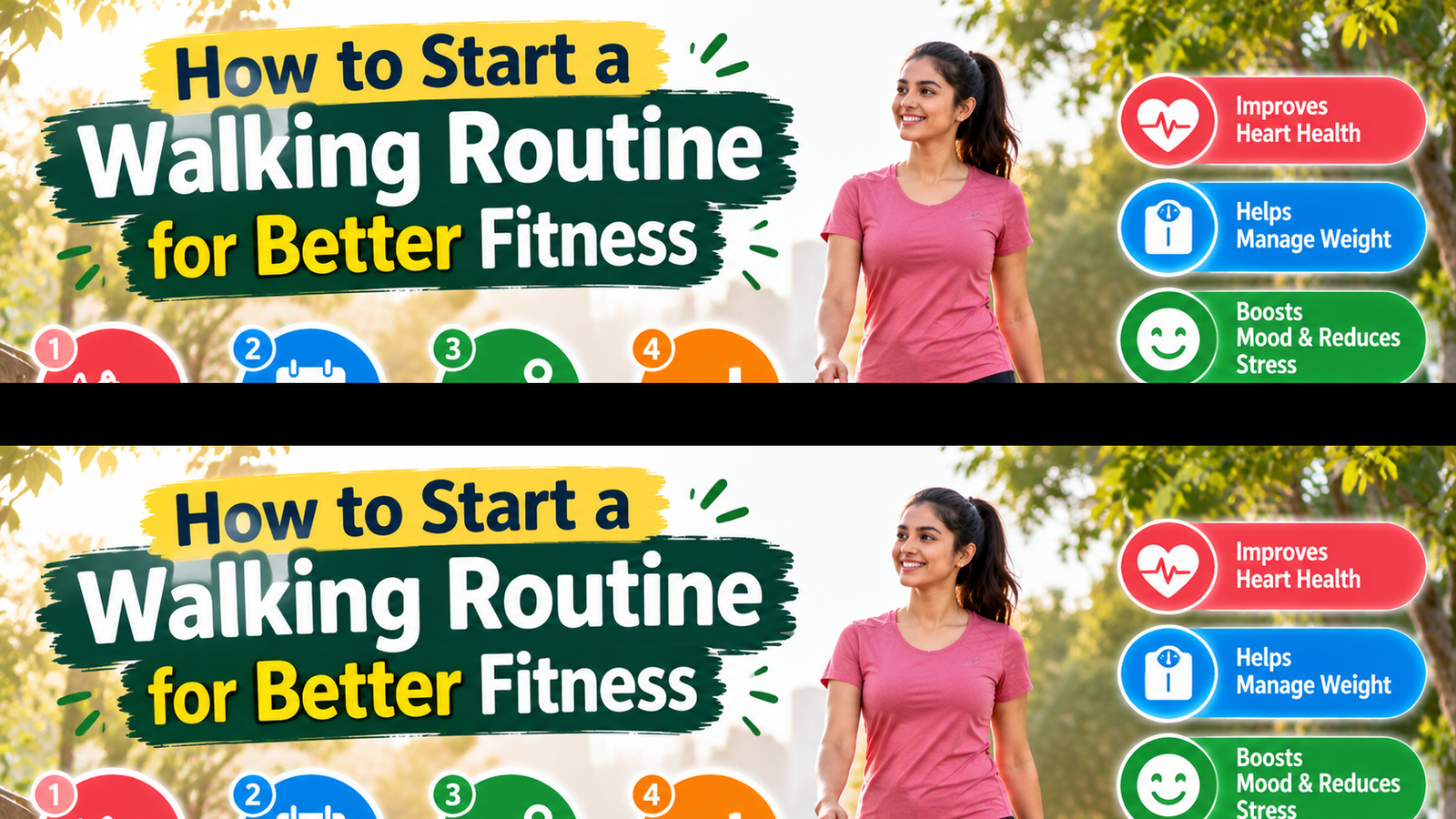
Regular walking can support cardiovascular fitness, strengthen the muscles used for movement, improve endurance, and contribute to overall physical activity. It may also support mood and help some people manage everyday stress.
Walking is a weight bearing activity, meaning your body supports its own weight while you move. Over time, regular walking can help maintain mobility and make everyday activities feel more manageable.
Another advantage is flexibility. You can walk alone, with family members, with friends, or while listening to music. You can also divide your walking time into shorter sessions when your schedule is busy.
Walking may contribute to weight management when combined with suitable eating habits and other healthy lifestyle choices. However, the results vary between individuals and depend on several factors.
I believe the biggest benefit is that walking is accessible to many people. It allows beginners to start exercising at a comfortable pace and build confidence before trying more demanding activities.
2. Set a Realistic Walking Goal
One of the first steps in starting a walking routine is deciding how much walking you can comfortably manage.
If you have not exercised regularly, beginning with a long walk may leave you feeling tired or discouraged. Instead, choose a goal that fits your current ability.
For example, you could begin with five to ten minutes of walking at a comfortable pace. If that feels easy, gradually increase the duration over the following days or weeks.
You can also set goals based on frequency rather than distance. Walking for ten minutes on several days each week may be more practical than aiming to complete a long walk every day.
Here are a few examples of beginner goals:
- Walk for five minutes after breakfast.
- Take a short walk during your lunch break.
- Walk around your neighborhood for ten minutes in the evening.
- Take a brief movement break after sitting for a long period.
Once walking becomes a regular habit, you can increase your goals according to your comfort and progress.
Avoid comparing your progress with other people. Your starting point, schedule, and fitness level may be different, so choose goals that work for you.
3. Start With Short Walking Sessions
Short walking sessions can be a practical way to develop a routine, especially if you have a busy schedule.
You do not need to complete all your walking at one time. For example, you could walk for ten minutes in the morning and another ten minutes in the evening.
These shorter sessions can help you increase your daily activity without requiring a large block of free time.
If you are a complete beginner, start with a duration that feels comfortable. Walk at a pace that allows you to breathe naturally and speak without excessive difficulty.
After several sessions, consider adding another minute or two if you feel ready. Increase your walking time gradually rather than making large jumps in distance or speed.
Pay attention to how your body responds. If you experience persistent pain, unusual fatigue, or discomfort that worsens with activity, reduce the intensity and seek professional advice when appropriate.
The goal during the early stages is to build consistency, not to prove how far you can walk.
4. Choose the Right Walking Pace
Walking pace can influence how much effort your body uses during exercise. Beginners should first become comfortable walking regularly before worrying too much about speed.
A comfortable pace is suitable when you can walk and hold a normal conversation without struggling to breathe.
As your endurance improves, you may try a brisker pace. Brisk walking increases your breathing and heart rate, but you should still be able to speak in sentences.
You can use the talk test to judge your effort:
Easy pace: You can talk and breathe comfortably.
Moderate pace: Your breathing becomes faster, but you can still hold a conversation.
Very intense pace: Speaking becomes difficult because you are breathing heavily.
For general fitness, moderate intensity walking is a useful goal for many adults. However, there is no need to reach that intensity immediately if you are just beginning.
Start comfortably and increase your pace gradually as your body adapts.
5. Wear Comfortable Shoes and Clothing
Comfortable footwear can make walking more enjoyable and reduce unnecessary discomfort.
Choose shoes that fit properly, provide suitable support, and allow enough room for your toes. Avoid shoes that repeatedly cause blisters, rubbing, or foot pain.
You do not necessarily need expensive athletic shoes. The most important factors are comfort, fit, and suitability for the surface where you walk.
Wear clothing that allows you to move freely. In warm weather, lightweight and breathable fabrics can help you remain comfortable. During cooler weather, use layers that you can adjust as needed.
If you walk outside in the early morning or evening, consider visibility. Reflective details or light colored clothing can help drivers and other pedestrians see you more easily.
Carrying water may also be helpful, particularly when walking in hot conditions or for longer periods.
Preparing these basic items before your walk can make it easier to leave home and follow your routine consistently.
6. Choose a Safe and Convenient Walking Route
The location where you walk can influence how often you exercise. Choose a route that is convenient, reasonably safe, and comfortable for your fitness level.
A nearby park, walking track, quiet street, or suitable indoor area may work well. You can also walk on a treadmill if one is available.
When walking outdoors, consider pavement quality, traffic, lighting, and pedestrian crossings. Avoid routes with dangerous road conditions or areas where you feel unsafe.
In hot weather, try walking during cooler parts of the day. In areas with heavy traffic pollution, choosing a route away from busy roads may improve comfort.
You can make walking more enjoyable by choosing a route with trees, open spaces, or interesting surroundings. Changing routes occasionally may also prevent boredom.
If outdoor conditions are unsuitable, walking indoors can be a practical alternative. You might walk around a spacious room, use a covered walkway, or visit an indoor shopping area where walking is permitted.
The best route is one that you can access regularly without creating unnecessary inconvenience.
7. Follow a Simple Weekly Walking Plan
A weekly plan can help you build a routine without increasing activity too quickly. The following example is designed for a beginner who can comfortably walk for a few minutes.
| Day | Walking goal |
|---|---|
| Monday | Walk for 5 to 10 minutes at an easy pace |
| Tuesday | Walk for 10 minutes |
| Wednesday | Walk for 10 minutes or split it into two short sessions |
| Thursday | Walk for 10 to 12 minutes if comfortable |
| Friday | Walk for 10 to 12 minutes |
| Saturday | Take a comfortable walk outdoors |
| Sunday | Rest or take a gentle, short walk |
This schedule is only a starting example. If ten minutes feels too difficult, begin with a shorter duration. If you already walk regularly, you may be able to start with longer sessions.
After a week or two, review how you feel. If the routine is comfortable, increase the duration gradually. If you feel overly tired or develop persistent discomfort, maintain your current level or reduce it.
There is no need to increase your walking time every week. Progress depends on your fitness, recovery, health, and schedule.
8. Gradually Work Toward Recommended Activity Levels
For general health, the World Health Organization recommends that adults aim for 150 to 300 minutes of moderate intensity aerobic activity each week, or an equivalent amount of vigorous activity. Walking at a brisk pace can contribute toward this target.
However, this recommendation is a longer term goal, not a requirement for your first week.
If you currently do very little physical activity, even a small increase can be a useful beginning. Focus on establishing a consistent habit before trying to reach the full recommendation.
For example, you might begin with ten minute walks several days a week. Later, you can gradually increase the duration until you can comfortably walk for 20 or 30 minutes on more days.
You can also combine walking with other activities, such as cycling, swimming, or beginner strength exercises.
The important point is to build toward a level of activity that supports your health while respecting your current ability.
9. Use Step Counts Without Becoming Obsessed
Many people use smartphones, smartwatches, or fitness trackers to measure their daily steps. These tools can help you understand your activity patterns and notice improvements over time.
However, you do not need to reach 10,000 steps every day to benefit from walking. Your ideal target depends on your starting activity level, age, health, and personal goals.
If you currently take very few steps, begin by observing your normal daily activity for several days. Then choose a small increase that feels achievable.
For example, you could aim to add a short walk after lunch or take a few extra walking breaks during the day.
Step counters can provide useful feedback, but they should not become a source of pressure. A day with fewer steps does not mean you have failed.
Consider tracking walking time, distance, or how comfortable the walk feels instead. These measures can be useful even when you do not have a fitness tracker.
10. Improve Your Walking Technique
You do not need advanced techniques to walk effectively, but a few simple habits can improve comfort.
Keep your head upright and look ahead rather than constantly looking down at your phone. Allow your shoulders to relax and swing your arms naturally.
Take steps that feel comfortable rather than forcing yourself to use a longer stride. Let your feet roll naturally as you move from heel toward the front of the foot, as comfortable for your walking style.
Try to maintain a steady pace and avoid suddenly accelerating if you are not ready.
If you are walking briskly, begin with a few minutes at an easy pace. At the end of your walk, slow down gradually instead of stopping abruptly after a demanding session.
Comfort is more important than achieving a perfect walking posture. If a particular technique causes pain or discomfort, adjust it and seek advice if the problem continues.
11. Make Walking Part of Your Daily Routine
One of the most effective ways to stay consistent is to connect walking with activities you already do.
For example, you could walk after breakfast, take a short walk after lunch, or go outside for a few minutes after finishing work.
You can also use walking breaks to reduce long periods of sitting. Set a reminder if you frequently lose track of time while working or studying.
If your schedule is unpredictable, keep your goal flexible. A ten minute walk may be possible in the morning on one day and in the evening on another.
Walking with a friend or family member can make the activity more enjoyable. You can also listen to music or a podcast, provided you remain aware of traffic and your surroundings.
Try to prepare your shoes and clothing in advance. Reducing the effort needed to get started can make it easier to follow through.
Over time, walking can become part of your normal routine rather than an activity you must repeatedly motivate yourself to do.
12. Combine Walking With Healthy Eating Habits
Walking is valuable on its own, but combining regular movement with balanced eating habits can support overall health.
Choose meals that include vegetables, fruits, whole grains, protein sources, and suitable amounts of healthy fats. Drink enough water throughout the day, especially when walking in warm conditions.
You do not need a special diet or expensive sports products to begin a walking routine. Everyday foods such as eggs, lentils, beans, vegetables, fruits, oats, and whole wheat bread can provide important nutrients.
If your goal is weight management, remember that walking is only one part of the process. Food intake, sleep, stress, medications, and individual health factors can also influence weight.
Avoid rewarding every walk with extra food automatically or drastically restricting meals to compensate for missed exercise.
Focus on building a sustainable combination of physical activity, balanced eating, and adequate rest.
13. Stay Motivated When Progress Feels Slow
Motivation naturally changes from day to day. You may feel excited during the first week but find it harder to continue when the routine becomes familiar.
Instead of depending entirely on motivation, make your walking goal easy to follow.
Start with a realistic duration, choose a convenient route, and schedule walking at a time that suits your lifestyle.
Track your progress in a notebook or phone. You could record the number of minutes you walked, how you felt, or how many days you completed your planned activity.
Celebrate small improvements, such as walking for five minutes longer or feeling more comfortable on a familiar route.
If you miss a day, return to your routine when possible. There is no need to make up every missed minute or double the next session.
Remember that improvements may be gradual. Consistent walking can support fitness over time, but progress varies between individuals.
14. Avoid Common Beginner Walking Mistakes
A few common mistakes can make a new walking routine harder to maintain.
Walking too far too soon: A long walk on your first day may cause unnecessary fatigue. Begin with a manageable distance or duration.
Ignoring discomfort: Persistent pain should not be treated as a normal part of exercise. Reduce your activity and seek professional guidance when needed.
Choosing unsuitable footwear: Shoes that cause blisters or foot pain can make walking less enjoyable.
Walking at an uncomfortable pace: You do not need to walk fast to get started. Increase speed only when you feel ready.
Expecting immediate results: Fitness develops gradually, so focus on consistency rather than quick changes.
Ignoring weather conditions: Heat, poor air quality, rain, and slippery surfaces can affect safety. Choose a suitable time and location.
Avoiding these mistakes can help you develop a routine that feels more comfortable and sustainable.
Walking Safety Tips for Beginners
Before starting, consider your current health and physical ability. If you have a chronic medical condition, a recent injury, significant balance problems, or concerns about exercising, ask a qualified healthcare professional for advice.
Begin each walk at a comfortable pace and increase the intensity gradually. Drink water as needed and pay attention to how you feel.
Stop walking if you experience chest pain, severe shortness of breath, dizziness, or other concerning symptoms. Seek urgent medical care when symptoms are severe or sudden.
When walking outdoors, use pedestrian crossings, stay alert to traffic, and choose well lit routes when visibility is low.
In hot weather, avoid the hottest part of the day when possible and wear appropriate clothing. If the weather is unsafe, walk indoors instead.
These precautions can help you enjoy the benefits of walking while reducing avoidable risks.
Conclusion
Starting a walking routine for better fitness does not require expensive equipment or complicated planning. By beginning with short walks, choosing a comfortable pace, wearing suitable shoes, and following a realistic schedule, you can gradually make walking a regular part of your life.
I believe the most important step is simply to begin. Even a short walk can help you develop the habit of moving more, and you can increase your walking time as your endurance improves.
Choose a safe route, track your progress if it helps, and remember that everyone develops fitness at a different pace. Combine walking with balanced meals, adequate rest, and other healthy habits to support your overall well being.
Start with a few comfortable minutes today. With patience and consistency, walking can become an enjoyable activity that helps you work toward better fitness and a more active lifestyle.