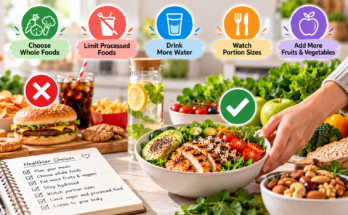
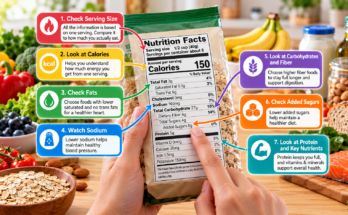
Planning balanced meals for the whole week is one of the simplest ways to improve everyday eating habits, save time, and make healthier food choices. When I plan my meals in advance, I find it easier to organize grocery shopping, reduce food waste, and avoid relying on fast food or less nutritious options when I am busy. A little preparation can make daily cooking more manageable and help me maintain a balanced diet without making meals complicated.
Healthy meal planning does not mean eating expensive foods or following a strict diet. It is about choosing a variety of nutritious ingredients and combining them in ways that provide the body with energy, protein, healthy fats, vitamins, minerals, and fiber. With a practical weekly meal plan, anyone can make nutritious meals that fit their schedule, budget, and personal preferences.
In this guide, I will explain how to plan balanced meals for the whole week, choose healthy ingredients, prepare food in advance, and develop a routine that makes healthy eating easier.
What Is a Balanced Meal?
A balanced meal contains different types of foods that provide the nutrients the body needs. Instead of focusing on only one food group, I recommend including a variety of ingredients in everyday meals.
A simple way to build a balanced meal is to divide the plate into different sections. Around half the plate can contain vegetables and fruits, one quarter can contain protein rich foods, and the remaining quarter can contain whole grains or other carbohydrate sources. Healthy fats can be included in suitable amounts.
This is a flexible guide rather than a strict rule. Individual needs can vary depending on age, activity level, health conditions, and personal dietary requirements.
Vegetables such as carrots, spinach, broccoli, cabbage, and tomatoes provide important vitamins, minerals, and fiber. Protein foods such as eggs, beans, lentils, fish, chicken, and yogurt help support normal body functions. Whole grains, potatoes, and other carbohydrate sources provide energy for daily activities.
Healthy fats from foods such as nuts, seeds, olive oil, and avocados can also be part of a balanced diet.
The main goal is to create meals that offer variety, taste good, and help you feel satisfied.
1. Start by Planning Your Weekly Schedule
Before choosing meals, I find it useful to look at the upcoming week. Some days may be busy because of work, school, travel, or family responsibilities, while other days may allow more time for cooking.
Understanding your schedule helps you choose realistic meals instead of creating a plan that becomes difficult to follow.
For example, you might prepare a simple breakfast before work, pack lunch for school or the office, and cook dinner at home. On especially busy days, leftovers or meals prepared in advance can save valuable time.
Start by answering a few practical questions:
- Which days will I have enough time to cook?
- Which meals will I need to take outside the home?
- Can I use leftovers for lunch the following day?
- Which ingredients do I already have in the kitchen?
- How much money do I want to spend on groceries?
These questions make weekly meal planning more manageable. I also recommend leaving some flexibility in the schedule. Unexpected changes happen, so it is helpful to have a few quick meal options available.
2. Choose a Variety of Nutritious Foods
One of the most important parts of planning balanced meals is choosing a variety of foods. Eating the same meals every day may feel convenient initially, but variety can make a healthy eating routine more enjoyable.
I like to organize food choices into simple groups before preparing a grocery list.
Vegetables and Fruits
Vegetables and fruits provide fiber, vitamins, minerals, and other beneficial plant compounds. Try to include different colors and types throughout the week.
You can choose seasonal produce because it may be more affordable and easier to find. Spinach, carrots, cucumbers, tomatoes, apples, bananas, oranges, and other locally available options can fit into many meals.
Fresh, frozen, and suitable canned produce can all be useful. The best choice often depends on price, availability, and convenience.
Protein Foods
Protein rich foods help the body maintain and repair tissues. They can also make meals more satisfying.
Useful options include eggs, chicken, fish, lentils, chickpeas, beans, yogurt, milk, tofu, and nuts. If you prefer plant based meals, combining different plant protein sources throughout the day can help you obtain a range of essential nutrients.
Try rotating protein choices rather than relying on one source every day.
Whole Grains and Other Carbohydrates
Carbohydrates provide energy for daily activities. Whole grain foods also contribute fiber and other nutrients.
Oats, whole wheat bread, brown rice, whole wheat roti, and other whole grain options can be included in a weekly plan. Potatoes and other starchy vegetables can also form part of balanced meals.
Choose options that suit your taste, budget, and usual eating habits.
Healthy Fats
Healthy fats can come from nuts, seeds, olive oil, and other suitable foods. They help the body absorb certain vitamins and support normal body functions.
Use oils and other high fat ingredients in reasonable portions. You do not need to eliminate fats completely to eat a balanced diet.
3. Create a Simple Weekly Meal Plan
Once you understand the main food groups, start assigning meals to each day. You do not need to plan completely different recipes for every breakfast, lunch, and dinner.
Instead, choose a few ingredients that can be used in several ways. For example, cooked chicken can be served with vegetables and rice one day and added to a whole wheat sandwich the next day. Cooked lentils can be served with roti for dinner and used in another simple meal later.
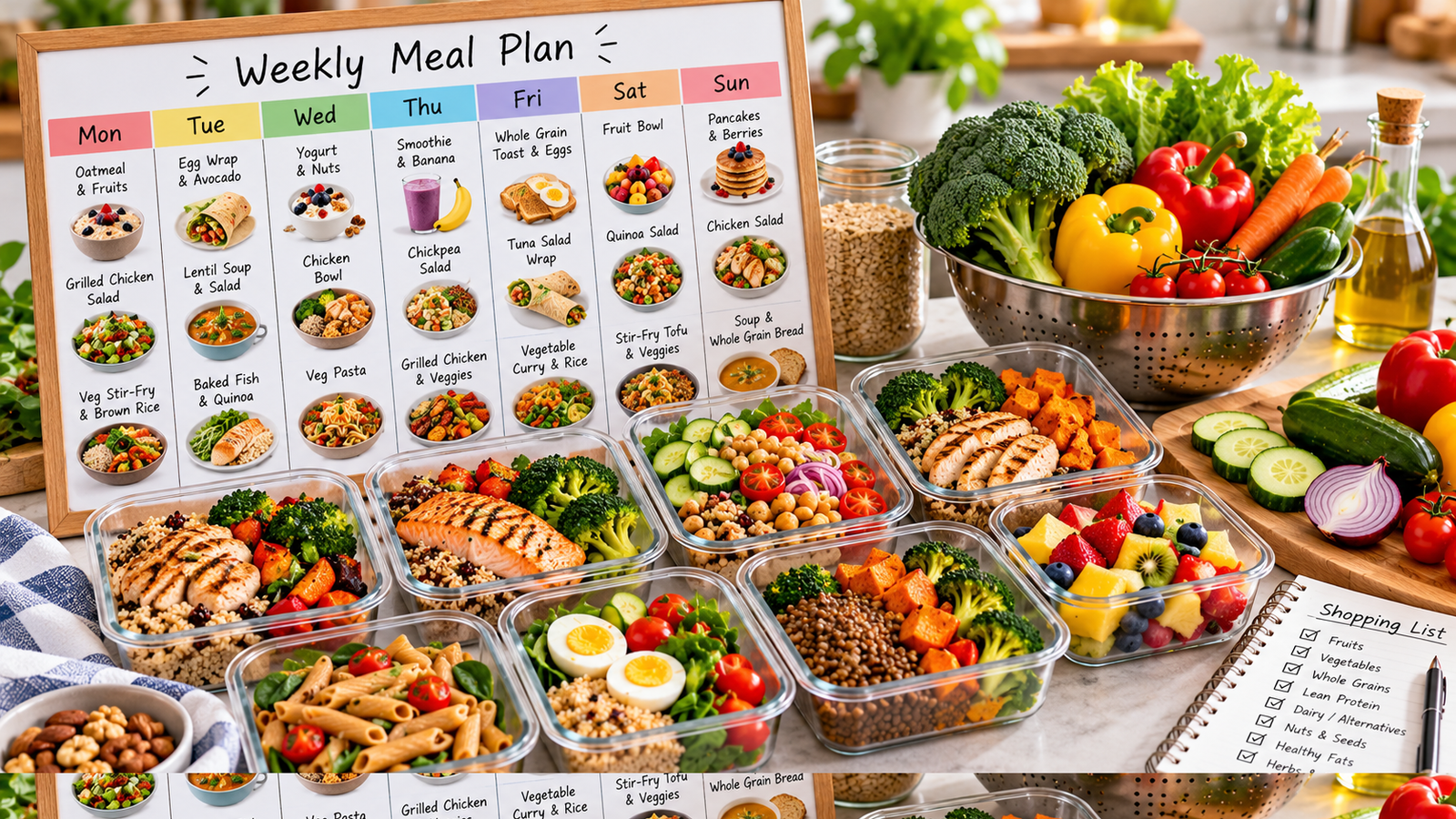
Here is an example of a flexible seven day meal plan.
| Day | Breakfast | Lunch | Dinner |
|---|---|---|---|
| Monday | Oatmeal with banana and nuts | Chicken with roti and vegetables | Lentil curry with rice and salad |
| Tuesday | Boiled eggs with whole wheat bread | Chickpea salad with whole wheat roti | Baked fish with potatoes and vegetables |
| Wednesday | Plain yogurt with fruit and oats | Leftover lentils with roti and cucumber | Chicken and vegetable rice |
| Thursday | Vegetable omelet with whole wheat toast | Bean salad with whole wheat bread | Vegetable curry with chickpeas and roti |
| Friday | Oats with milk and apple | Chicken sandwich with vegetables | Homemade fish or chicken with rice and salad |
| Saturday | Eggs with roti and tomatoes | Lentil soup with whole wheat bread | Homemade vegetable and chicken stir fry with rice |
| Sunday | Yogurt with fruit and nuts | Chickpea curry with roti and salad | Homemade vegetable soup with a whole grain sandwich |
This is an example rather than a strict prescription. Adjust the portions and ingredients according to your appetite, activity level, dietary preferences, and nutritional needs. Snacks can be added when needed, such as fruit, yogurt, a small handful of nuts, or vegetables with hummus.
You can also swap meals between days. The goal is to make nutritious eating practical rather than create unnecessary pressure.
4. Plan Breakfast, Lunch, and Dinner Differently
Each meal has a different place in your daily routine. Planning them according to your schedule can make the whole week easier.
Breakfast
A nutritious breakfast can include protein, fiber, and a source of energy. Good options include eggs with whole wheat bread, oatmeal with milk, yogurt with fruit, or a vegetable omelet with roti.
If mornings are busy, prepare some ingredients the night before. You can portion oats, wash fruit, or boil eggs in advance and store them safely.
Try to choose a breakfast that keeps you satisfied and fits your morning routine.
Lunch
Lunch should be convenient enough to eat during your working day while still providing a variety of nutrients.
Homemade rice bowls, lentil dishes, chicken wraps, bean salads, and whole wheat sandwiches are practical options. Adding vegetables or fruit helps improve variety and provides additional fiber.
If you take lunch to work or school, use an appropriate food container and keep perishable foods at a safe temperature.
Dinner
Dinner can be a good opportunity to prepare a home cooked meal with vegetables, protein, and a suitable carbohydrate source.
Examples include chicken with vegetables and rice, lentil curry with roti, baked fish with potatoes, or chickpeas with whole wheat bread and salad.
I recommend keeping some dinners simple. A meal does not need many ingredients or complicated cooking methods to be nutritious.
5. Make a Grocery List Before Shopping
A grocery list helps you purchase what you actually need and reduces the chance of buying unnecessary items. After preparing the weekly meal plan, check your kitchen cupboards, refrigerator, and freezer.
Write down the ingredients required for the meals you have selected. Organizing the list by food category can make shopping faster.
Your weekly grocery list may include:
- Vegetables such as onions, tomatoes, carrots, spinach, and cucumbers
- Fruits such as bananas, apples, oranges, or other seasonal choices
- Protein foods such as eggs, chicken, fish, beans, and lentils
- Grains such as oats, rice, whole wheat flour, and whole wheat bread
- Dairy foods such as milk and plain yogurt
- Healthy fats such as nuts, seeds, and cooking oil
- Flavoring ingredients such as garlic, ginger, herbs, and spices
Adjust the quantities to your household size and meal schedule. Buying too much fresh produce can lead to waste, so purchase only what you can reasonably use or preserve.
6. Prepare Some Ingredients in Advance
Meal preparation can reduce the amount of cooking required during busy weekdays. You do not have to prepare every meal in advance. Even a short preparation session can save time.
For example, you can wash and cut suitable vegetables, cook a batch of lentils, prepare rice for upcoming meals, or portion nuts and fruit for snacks.
You can also prepare a few basic ingredients that work in several recipes. Cooked beans can be added to salads, wraps, or curries. Chopped vegetables can be used in omelets, soups, and stir fries.
Food safety is important when preparing meals ahead of time. Refrigerate cooked food promptly in shallow, covered containers, ideally within two hours, and keep the refrigerator at or below 4°C. Most cooked leftovers should be used within three to four days when properly refrigerated. Freeze portions that you will not use within that period.
Reheat leftovers thoroughly, and avoid leaving perishable food at room temperature for extended periods.
A small amount of preparation can make weekday meals easier without requiring you to spend an entire day in the kitchen.
7. Keep Healthy Snacks Available
Snacks can help manage hunger between meals, especially when there is a long gap between breakfast, lunch, and dinner. However, snacks do not need to be complicated or expensive.
I prefer choosing options that provide useful nutrients and are easy to keep available.
Examples include fresh fruit, plain yogurt, boiled eggs, unsalted nuts, roasted chickpeas, or sliced vegetables. Whole grain crackers with a suitable protein source can also be a convenient choice.
Try to pay attention to hunger rather than eating automatically out of boredom. At the same time, there is no need to avoid snacks if you are genuinely hungry.
Keep portion sizes suitable for your needs, and choose snacks that fit comfortably into your overall eating pattern.
8. Plan Meals According to Your Budget
A balanced weekly meal plan does not require expensive ingredients. Many affordable foods provide important nutrients and can be used in different recipes.
Lentils, beans, chickpeas, eggs, oats, seasonal vegetables, and locally available fruits can help form the foundation of a budget friendly meal plan.
Buying larger quantities of suitable dry staples may reduce costs when you can store them properly. Frozen vegetables can also be useful because they last longer and are convenient to prepare.
Another helpful strategy is to plan several meals around overlapping ingredients. If you purchase spinach, tomatoes, and onions, you can use them in curries, omelets, soups, and rice dishes.
Compare prices, check what you already have, and avoid purchasing ingredients for recipes you are unlikely to make. Planning around affordable foods can make healthy eating more sustainable.
9. Reduce Food Waste With Flexible Planning
Food waste often happens when people buy more than they need or forget about ingredients stored in the refrigerator. A flexible meal plan can help prevent this problem.
Before shopping, look for ingredients that need to be used soon. Include them in the next few meals instead of buying replacements unnecessarily.
For example, vegetables nearing the end of their freshness can be added to soup or cooked dishes if they are still safe to eat. Leftover rice, beans, or chicken can become part of another meal when stored and handled safely.
It is also useful to plan one or two meals each week around leftovers. This saves money and reduces cooking time.
Avoid treating the meal plan as something that cannot change. If your schedule changes, move meals around and use ingredients where they fit best.
10. Make Your Meal Plan Easy to Maintain
The best weekly meal plan is one you can follow consistently. A complicated plan with too many new recipes may become tiring, especially when you have work, family responsibilities, or limited cooking time.
Start with a simple routine. Choose two or three breakfast options, several lunch ideas, and a few dinners that you enjoy. Repeat them when convenient and introduce new recipes gradually.
You can also create a basic weekly template. For example, one evening might be suitable for lentils, another for chicken, and another for fish or a plant based meal. This gives you structure without requiring the same exact menu every week.
Pay attention to how the plan works in practice. If a recipe takes too long, replace it with something easier. If you regularly have leftover ingredients, adjust your shopping list.
Healthy meal planning should support your lifestyle, not make everyday life more stressful.
Common Meal Planning Mistakes to Avoid
A few common mistakes can make weekly meal planning less effective.
Planning too many complicated meals: Choose recipes that match your cooking skills and available time. Simple meals can still be balanced.
Ignoring portion needs: People have different energy and nutritional requirements. Adjust meal amounts to your hunger, activity level, and individual needs rather than following one portion size for everyone.
Buying too much food: Review your kitchen before shopping and estimate how much produce and protein you will use.
Removing entire food groups without a reason: A varied diet is generally easier to balance than an unnecessarily restrictive one. If you need to avoid particular foods because of allergies, medical advice, or personal preferences, plan suitable alternatives.
Forgetting to include variety: Rotate fruits, vegetables, protein sources, and grains across the week to make meals more enjoyable and provide a wider range of nutrients.
Expecting perfection: Some days will not go according to plan. Returning to your normal routine at the next meal is more useful than abandoning the entire plan.
Conclusion
Planning balanced meals for the whole week is a practical way to make healthy eating easier, reduce food waste, and save time. By choosing a variety of vegetables, fruits, protein foods, whole grains, and healthy fats, you can create meals that support your everyday nutritional needs.
I believe the most effective approach is to keep meal planning simple and flexible. Start by reviewing your schedule, preparing a realistic menu, making a grocery list, and getting a few ingredients ready in advance. Use leftovers safely, choose affordable seasonal foods, and keep convenient snacks available when needed.
You do not need to change every eating habit at once. Begin with a few planned meals and improve your routine gradually. Over time, weekly meal planning can become a useful habit that helps you make thoughtful food choices while keeping everyday cooking manageable.